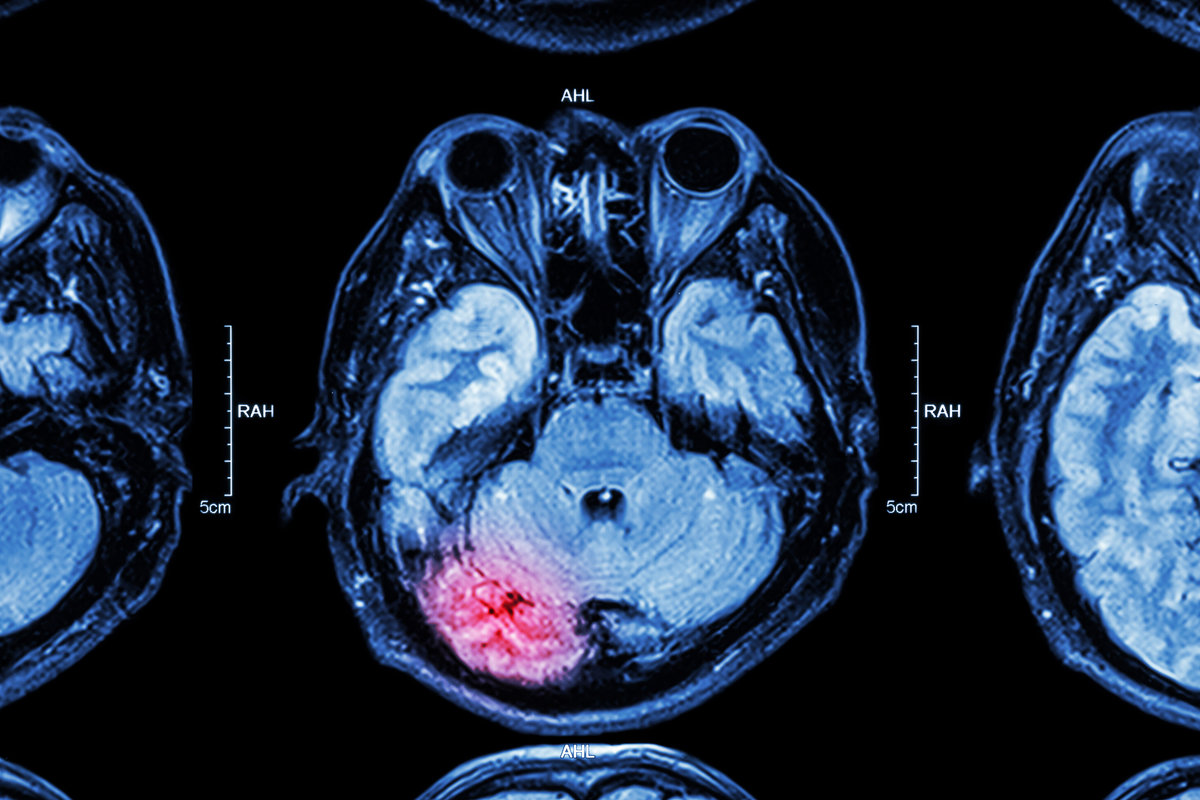

A brain injury can alter the course of a person’s life in permanent and profound ways. Cognitive function, memory, personality, and the ability to work and care for a family can all be affected by a single traumatic event, leaving victims and their families facing a future they never anticipated. When that injury was caused by someone else’s negligence, holding the responsible party accountable is not just a legal right — it is often the only path to the financial security a victim needs to move forward.
At Wagner Reese, we have built a long record of handling high-stakes catastrophic injury cases, including some of the most complex brain injury claims in Indiana. Our attorneys bring 150+ years of combined experience to these cases and are consistently recognized by Super Lawyers and The Best Lawyers in America. We handle catastrophic injury claims on a contingency basis, so our clients never pay out of pocket unless we recover compensation for them.
The Serious Impact of Traumatic Brain Injuries
A traumatic brain injury, or TBI, occurs when a sudden blow, jolt, or penetrating wound disrupts normal brain function. The severity ranges from mild concussions to severe injuries involving prolonged unconsciousness, permanent cognitive impairment, and death. According to the Centers for Disease Control and Prevention (CDC), there were over 69,000 TBI-related deaths in the United States in 2021, representing approximately 190 deaths every day. These numbers do not capture the far larger population of survivors living with lasting disabilities.
The long-term consequences of a serious brain injury can include memory loss, impaired reasoning, chronic headaches, seizure disorders, vision problems, personality changes, and an inability to return to work. For many families, the financial burden compounds the emotional one, as ongoing medical care, rehabilitation, and long-term support create costs reaching into the millions over a lifetime.
Common Causes of Brain Injuries in Indiana
Brain injuries resulting in legal claims typically arise from accidents where another party’s negligence played a role. Vehicle crashes are among the most frequent causes, including collisions involving passenger vehicles, motorcycles, and commercial truck accidents, where the force of impact is particularly severe. Falls on unsafe premises, workplace accidents, sports-related injuries, and acts of violence are additional common causes our attorneys handle.
Medical malpractice can also result in brain injury when oxygen deprivation occurs during surgery or childbirth, when a stroke or head injury is misdiagnosed, or when a provider fails to respond appropriately to signs of neurological distress. Each cause involves a different set of legal standards, and identifying the correct theory of liability from the outset is critical to building a strong claim.
What to Look for in a Brain Injury Lawyer
Brain injury cases are among the most demanding in personal injury law. They require medical professionals to testify about the nature and permanence of the injury, economists to calculate long-term lost earnings, and life care planners to project the full cost of future care. Insurance companies defending these claims invest substantial resources in minimizing payouts, which is why the quality of legal representation matters enormously.
Wagner Reese is a boutique firm selective about the cases we accept, focusing on catastrophic injuries where our depth of experience makes a genuine difference. Partner Jason Reese has been recognized as a Top 25 Brain Injury Trial Lawyer by the Motor Vehicle Trial Lawyers Association, reflecting the firm’s commitment to this practice area. Our founding partners have also both received the Trial Lawyer of the Year award, and between 50 and 60 percent of our cases come through referrals from other law firms and attorneys who trust our record with serious injury claims.
What Compensation May Cover
Recoverable damages in a brain injury case can be substantial. Our attorneys work with medical professionals, economists, and life care planners to document the full scope of a client’s losses. Compensation in these cases commonly addresses the following types of harm.
- Medical expenses: Emergency treatment, hospitalization, surgery, rehabilitation, and ongoing neurological care.
- Lost income: Wages lost during recovery, as well as reduced or eliminated earning capacity if the injury prevents a return to work.
- Future care costs: Long-term therapy, in-home nursing care, assistive devices, and home modifications needed to accommodate the injury.
- Pain and suffering: Compensation for the physical pain, emotional distress, and diminished quality of life the injury has caused.
- Loss of consortium: Damages available to a spouse or family member for the loss of companionship and support.
Every brain injury case is different, and the damages available depend on the specific facts, the severity of the injury, and the applicable Indiana law.
Contact Wagner Reese LLP — Indiana Brain Injury Lawyers
The attorneys at Wagner Reese treat every client as a real person with a real family, not a case number, and we bring that commitment to every stage of litigation. We also hold Tier-One Best Lawyers Law Firm status year after year, a distinction that few Indiana firms can claim.
If you or a family member suffered a brain injury due to someone else’s negligence, we are ready to evaluate your claim. Contact our office today for a free consultation, with no fee unless we win.