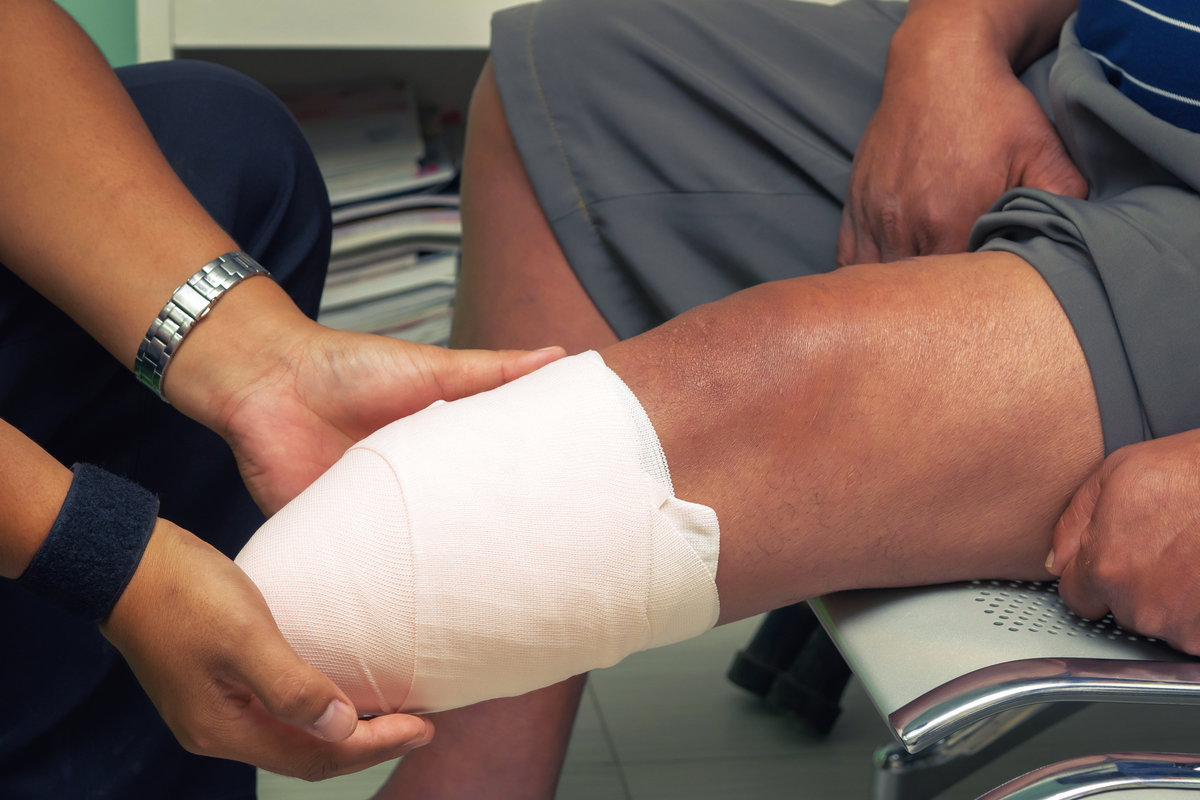

Losing a limb changes the course of your life in ways most people cannot fully comprehend. The physical pain, the emotional weight of adapting to a new reality, and the crushing financial burden of medical care and rehabilitation can all arrive at once, leaving injured Hoosiers and their families wondering how they will move forward. When another party’s negligence caused your amputation, you should not have to carry those consequences alone.
At Wagner Reese, we handle catastrophic injury cases throughout Indiana, and amputation injuries are among the most serious we represent. With 150+ combined years of experience and continuous recognition from Super Lawyers and The Best Lawyers in America, our firm is equipped to take on high-stakes claims involving life-altering losses. We hold Tier-One Best Lawyers Law Firm status and handle catastrophic injury claims in Indiana on a contingency basis, meaning our clients never pay out of pocket unless we recover compensation for them.
What Causes Traumatic Amputation Injuries?
Traumatic amputations can occur across a wide range of accidents and industries, and the cause of your injury plays a critical role in determining who is legally responsible. Workplace incidents are among the most common sources of traumatic limb loss, particularly in manufacturing, construction, and agriculture, where workers operate heavy machinery and power tools without adequate safety measures in place. Vehicle accidents, including car, truck, and motorcycle crashes, are another frequent cause, as the force of impact can be severe enough to crush or sever a limb entirely.
Product liability is an additional area where amputation injuries arise, particularly when defective equipment or tools fail in ways their manufacturers should have anticipated and prevented. Medical negligence can also lead to amputation when a provider’s errors result in improper treatment, delayed diagnosis, or surgical mistakes. Understanding the origin of your injury is the foundation of a strong legal claim, and our attorneys investigate every case thoroughly to identify all liable parties.
Common Settings for Amputation Injuries in Indiana
Indiana’s manufacturing and agricultural sectors mean workers in this state face elevated risks of traumatic limb loss on the job. Workplace amputation injuries often involve unguarded machinery, improper lockout/tagout procedures, and inadequate training from employers who failed to meet their safety obligations. Construction environments pose similar dangers, with falls, equipment malfunctions, and struck-by incidents regularly resulting in devastating outcomes. Our attorneys are well-versed in both employer safety standards and third-party liability, which can be critical to maximizing recovery in these cases.
The Long-Term Impact of Limb Loss
The consequences of an amputation injury extend far beyond the initial surgery. Victims typically face months of rehabilitation and physical therapy, followed by a lifetime of prosthetic care, device upgrades, and adaptive equipment. According to a 2024 study published through the Amputee Coalition, more than 2.3 million people in the United States are currently living with limb loss, a number reflecting how significant and widespread this condition truly is.
What Compensation May Cover
A successful amputation injury claim can address both the immediate and long-term costs of limb loss. Our attorneys work with medical professionals and life care planners to build a comprehensive picture of what our clients will need over their lifetimes. Recoverable damages in these cases commonly include the following types of losses:
- Medical expenses: Emergency treatment, surgical costs, and ongoing care directly related to the amputation and any complications arising from it.
- Prosthetic care: The cost of initial prosthetic fitting, maintenance, and multiple device replacements over a lifetime of use.
- Lost income: Wages lost during recovery, as well as reduced earning capacity if your ability to work has been permanently affected.
- Rehabilitation costs: Physical therapy, occupational therapy, and vocational retraining are needed to help you adapt to life after limb loss.
- Pain and suffering: Compensation for the physical pain and emotional toll of losing a limb due to another party’s negligence.
Understanding what compensation you may be owed after limb loss is something our attorneys are prepared to walk you through from the very first consultation.
Why Choose Wagner Reese for Your Amputation Injury Case?
Not every law firm is equipped to handle the complexity of a traumatic amputation claim. These cases require extensive medical evidence, economic analysis, and command of both workplace safety law and personal injury litigation. Wagner Reese is a boutique firm that is highly selective about the cases we accept, focusing on catastrophic injuries where our depth of experience makes a meaningful difference for our clients.
Our founding partners have each been recognized as Trial Lawyer of the Year and received Leadership in Law awards from respected legal organizations. Roughly 50 to 60 percent of our cases come to us through referrals from other law firms and attorneys who trust our proven record with serious injury claims. Understanding what recovery from amputation looks like is part of how we prepare to advocate effectively for every client we represent.
Contact Wagner Reese LLP: Indiana Amputation Injury Lawyers
The attorneys at Wagner Reese are committed to fighting for full and fair compensation for Indiana residents who have suffered life-changing losses due to another party’s negligence. We treat our clients as real people, not case numbers, and we bring that same dedication to every stage of litigation.
If you are ready to discuss your amputation injury case with our legal team, we encourage you to contact our office today for a free consultation. There is no fee unless we win.