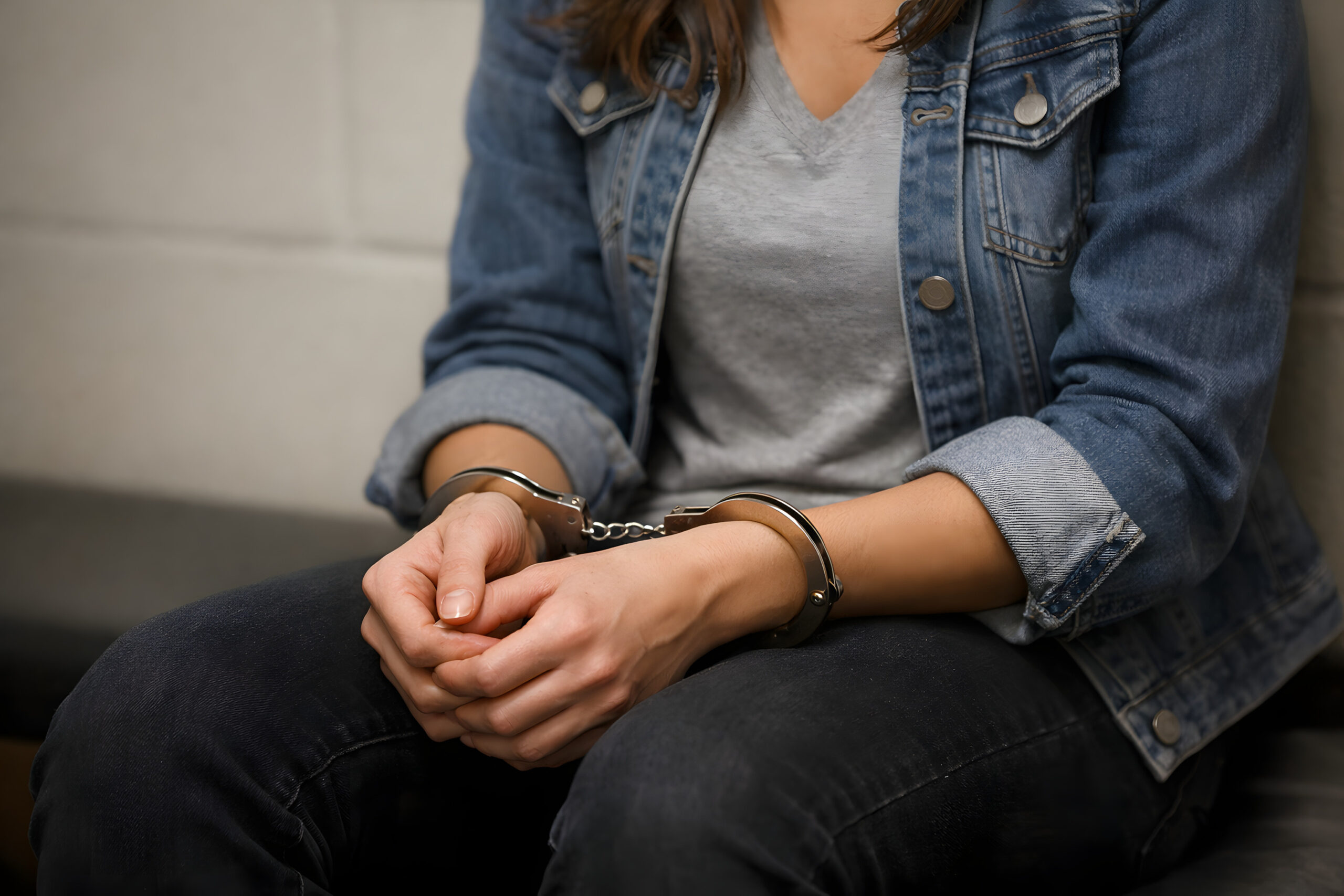
Being locked in a cell should never mean losing your right to safety. Yet every year, people held in local and county jails report being sexually assaulted by the staff members and officers responsible for their care.
At Wagner Reese, we help survivors understand who can be held accountable when a jail fails to protect them. If you or someone you love was sexually assaulted while incarcerated, our firm can walk you through your legal options and help you determine who may bear responsibility.
Who Is Responsible When Assault Happens Behind Bars
Liability for sexual assault in jail rarely rests with just one person. Correctional officers, jail administrators, and even the county or municipality running the facility can all share responsibility depending on what happened and who knew about it.
Correctional officers who commit assault are directly liable for their actions. But the facility itself may also be responsible if supervisors ignored warning signs, failed to screen or train staff properly, or allowed a culture where abuse could continue unchecked. Under 42 U.S.C. Section 1983, inmates may be able to pursue claims against government employees who violate their constitutional rights, including protection from cruel and unusual punishment.
When the Facility Itself May Be Liable
Jails have a legal duty to protect the people in their custody. When that duty is ignored, the facility, and sometimes the county overseeing it, may be held accountable alongside the individual who committed the assault.
- Failure to supervise: Jails that do not properly monitor staff-inmate interactions may be liable if the lack of oversight allowed abuse to occur.
- Failure to screen: Facilities that fail to conduct proper background checks before hiring correctional staff may bear responsibility for later misconduct.
- Failure to train: Jails that do not train staff on appropriate boundaries and reporting procedures may be liable when a training gap leads to harm.
- Failure to respond: A jail that receives reports of misconduct and does nothing may be liable for allowing the abuse to continue.
Sexual victimization inside correctional facilities is far more common than many people realize. According to the Bureau of Justice Statistics, the overall rate of sexual victimization reported by adult jail inmates rose from 3.2 percent in 2011 to 2012 to 4.0 percent in 2023 to 2024, with roughly half of those reports involving facility staff. These numbers reflect a pattern survivors and their families deserve answers for, not just a statistic to move past.
How the Prison Rape Elimination Act Protects Inmates
The Prison Rape Elimination Act, often called PREA, set national standards meant to reduce sexual assault in correctional facilities. It requires jails to implement policies for staff training, complaint reporting, and investigating allegations.
When a jail ignores PREA standards, the failure can become powerful evidence in a civil claim. A facility that skipped required training or buried a complaint may be shown to have acted with the kind of negligence supporting a lawsuit, separate from any criminal charges the officer may face.
Documentation matters here. Grievance records, internal investigation files, and staffing logs can all reveal whether a jail followed its own required procedures or looked the other way while a pattern of abuse continued. PREA violations do not automatically create a right to sue, but they can help show a jail knew of risks and failed to act.
Protecting Vulnerable Populations in Custody
Certain groups face a heightened risk of sexual assault while incarcerated, including people with disabilities, LGBTQIA+ individuals, and those held in facilities with inadequate medical oversight. Facilities must account for these added vulnerabilities in how they classify and house inmates.
When a jail fails to take reasonable steps to protect an inmate it knows is at greater risk, the failure can factor directly into a liability claim. Housing decisions, classification records, and any documented requests for protective custody can become key evidence in showing what the facility knew and when.
What to Do After a Jail Sexual Assault
Reporting the assault to someone outside the facility, such as an attorney or an outside oversight body, can help preserve evidence that would otherwise likely disappear. Medical documentation, even from a jail’s own medical staff, may become an important part of building a claim.
Time limits apply to these claims, so acting sooner rather than later can matter. A claim may move forward even if criminal charges against the officer are still pending or have not been filed.
Contact Wagner Reese Today
Our attorneys at Wagner Reese have decades of combined experience holding negligent institutions accountable, including cases involving jail and prison sexual abuse. We are recognized by Super Lawyers and The Best Lawyers in America, and we take on complex, high-stakes cases that require real litigation experience rather than a quick settlement.
If you or someone you love was sexually assaulted while in jail or prison custody, you do not have to face this alone. Contact us today to discuss what happened and learn how we may help hold the responsible parties accountable.