

Key Takeaways
- On a highway, move a drivable vehicle to the shoulder or nearest exit to avoid secondary collisions, and turn on hazard lights and stay put if it cannot move.
- Indiana State Police typically respond to interstate crashes, so get the responding officer’s name and badge number and confirm a report will be filed.
- On local roads, a city or county agency may share liability for a pothole, missing signage, or a malfunctioning signal, but claims against government entities carry shorter notice deadlines than standard injury cases.
- Intersection crashes often turn on right-of-way disputes, making witness accounts and nearby traffic or business camera footage critical evidence.
- Seeking medical attention promptly matters no matter where the crash happened, since many serious injuries do not produce pain right away.
The moments after a car accident are disorienting. Your hands may be shaking, other drivers are pulling over, and the question of what to do next feels overwhelming. Whether the crash happened at highway speed on I-65 or at a neighborhood intersection, what you do in those first minutes can significantly shape your ability to recover compensation. The location of the crash matters more than most people realize, and understanding those differences can help you protect your rights from the start.
At Wagner Reese LLP, our attorneys have represented injured Hoosiers across Indiana for decades. We know how to navigate the unique circumstances that come with both highway and local road accidents, and we are ready to stand by your side throughout the legal process.
Highway Accidents: What Makes Them Different
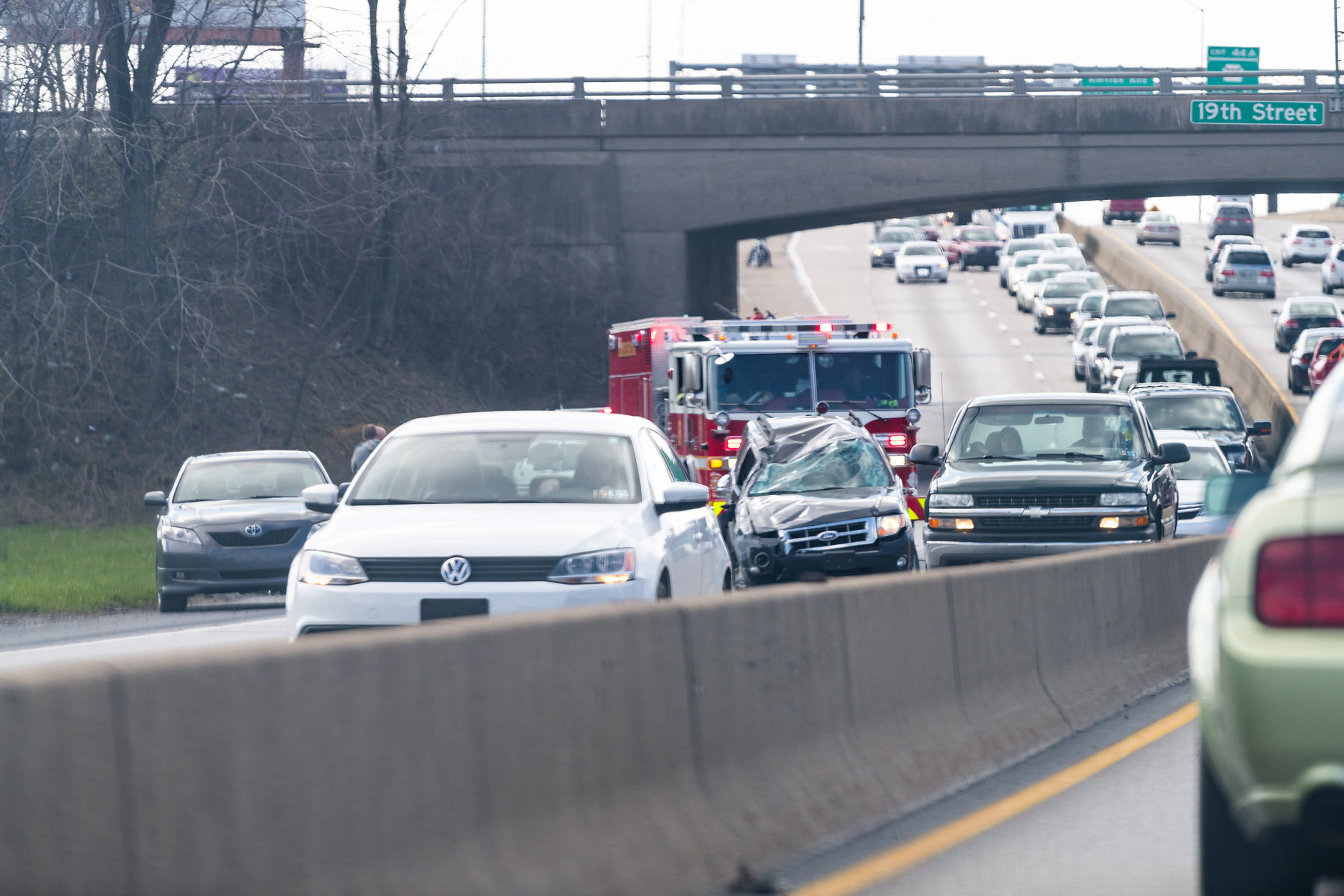
Indiana highways present distinct challenges when a collision occurs. High-speed crashes tend to produce more severe injuries, and the location itself can complicate your response. If your vehicle is drivable, moving it to the nearest emergency shoulder or exit ramp is often the right call to avoid secondary collisions, which are common on interstates. If your car cannot move, turn on your hazard lights immediately and stay inside with your seatbelt on until emergency responders arrive.
Jurisdiction also matters on highways. Indiana State Police typically respond to interstate crashes, and their reporting process differs from local law enforcement. It is important to obtain the responding officer’s name and badge number and confirm that a crash report will be filed. Many highway accidents also involve commercial vehicles like semi-trucks, which carry their own insurance structures and federal regulatory requirements.
Documenting a Highway Crash Scene
Documentation at a highway crash scene can be more difficult because traffic is moving fast and access is limited. If it is safe to do so, photograph the positions of vehicles, any skid marks, and surrounding signage or mile markers. Note the direction each vehicle was traveling and whether construction zones, poor lighting, or road conditions played a role. These details become important when determining fault and calculating damages.
If you later discover your crash involved a commercial vehicle, there are important steps for that specific situation. Trucking companies have legal teams that begin investigating almost immediately, so acting quickly matters.
Local Road Accidents: Unique Considerations
Local and city roads account for a large share of Indiana’s crash volume each year, according to crash data tracked by the Indiana Criminal Justice Institute. Lower speeds do not always mean lower stakes — intersection crashes, rear-end collisions at traffic lights, and crashes involving pedestrians or cyclists are common on local roads and can result in serious injury.
One key difference on local roads is the potential involvement of multiple government entities. City or county road maintenance agencies may share liability if a pothole, missing signage, or malfunctioning traffic signal contributed to the crash. Claims against government entities in Indiana follow special procedural rules, including shorter notice deadlines than standard personal injury cases. Missing those deadlines can eliminate your ability to recover from a responsible party.
Why Intersection Crashes Require Extra Attention
Disputes over who had the right of way are extremely common in intersection accidents. Witness accounts, traffic camera footage, and even nearby business surveillance video can be critical to establishing what actually happened. We always advise injured clients to return to the scene as soon as possible to identify nearby cameras or potential witnesses before that evidence disappears.
Knowing what dangerous intersections look like in Indiana cities can also put your crash in context. Our team has explored the most hazardous intersections in Indianapolis and what patterns emerge from those locations.
Steps That Apply No Matter Where the Crash Happened
Regardless of whether your accident occurred on a rural highway or a busy city street, certain steps always apply. Seek medical attention as soon as possible, even if you feel okay in the immediate aftermath. Many serious injuries do not produce pain right away, and a delay in treatment can complicate both your health and your claim. Understanding when to go to the doctor after a car accident can help you avoid costly mistakes.
The steps that follow differ depending on whether a commercial vehicle was involved. If a delivery truck, semi, or company vehicle played a role in your crash, the process changes considerably. We have a dedicated resource covering the critical steps after a commercial vehicle accident that is worth reviewing before speaking with any insurance adjuster.
You may also want to understand the broader question of whether highways are statistically safer than local roads in Indiana. The answer is nuanced, and it affects how attorneys approach fault analysis and damages in different types of cases.
Contact Wagner Reese LLP After an Indiana Car Accident
Wherever your accident happened in Indiana, the team at Wagner Reese LLP is prepared to help you understand your legal options. We handle motor vehicle accident cases across the state, from Indianapolis and Fort Wayne to Evansville and South Bend, and we fight to secure the full compensation our clients deserve for their injuries, lost wages, and pain and suffering.
If you were hurt in a car accident on an Indiana highway or local road, do not wait to get legal guidance. Reach out to our team today through our contact form so we can review your case and help you take the right next steps.
