Key Takeaways
- Highways have no intersections or pedestrian crossings, greatly reducing collision risks.
- Wider lanes and consistent speed limits provide safer driving conditions with less speed variability.
- Standardized signs and better maintenance help prevent accidents by improving driver awareness and road quality.
- Local roads are more dangerous due to frequent intersections, narrower lanes, and inconsistent speed limits.
- Despite safety features, negligent driving and heavy truck traffic can still cause serious highway accidents.
Why are expressways safer than other types of roads? Many drivers need to leave local roads and take the highway when traveling to further away destinations, or may choose to take the highway simply to save time. Merging onto a highway can be nerve-wracking, especially if you don’t use one often. However, while many people assume that highways and interstates are more dangerous than local roads, this isn’t actually the case!
Highways are statistically safer than local roads because of their controlled design — limited access points, physical median barriers, and consistent speed limits reduce the conditions that lead to most crashes. By understanding the reasons behind road dangers, you can prevent many common accidents.
What Makes Highways Safer Than Local Roads?
Highways are generally safer for vehicle travel than smaller rural roads or city streets. According to the National Highway Traffic Safety Administration, there were 4,414 fatal accidents on interstates in 2020. With 38,824 car crash deaths reported for 2020, highway accidents only comprised around 9% of deadly accidents.
Lack of Intersections
Over 50% of fatal and injury-causing crashes in the United States happen at intersections. Since highways have limited access points where cars must travel in opposing and perpendicular directions, there are fewer opportunities for collisions. Going in the same direction and travelling at similar speeds reduces the risk of a collision.
Eliminated Pedestrian Crossings
One of the key benefits of highways is that they are built to keep vehicle traffic moving without interruptions from pedestrians or frequent stops. With pedestrian crossings completely eliminated, drivers are less likely to face unexpected foot traffic. On top of that, fewer intersections and roadside distractions mean drivers can focus more fully on the road ahead.
Wider Lanes and Physical Median Barriers
Highways have wide lanes to accommodate larger vehicles, such as semi-trucks. More space means drivers have more room to move their vehicles to avoid a collision. Most divided highways also feature a physical median barrier separating opposing lanes of traffic, which dramatically reduces the risk of head-on collisions that would otherwise be possible on undivided roads.
Less Speed Variability
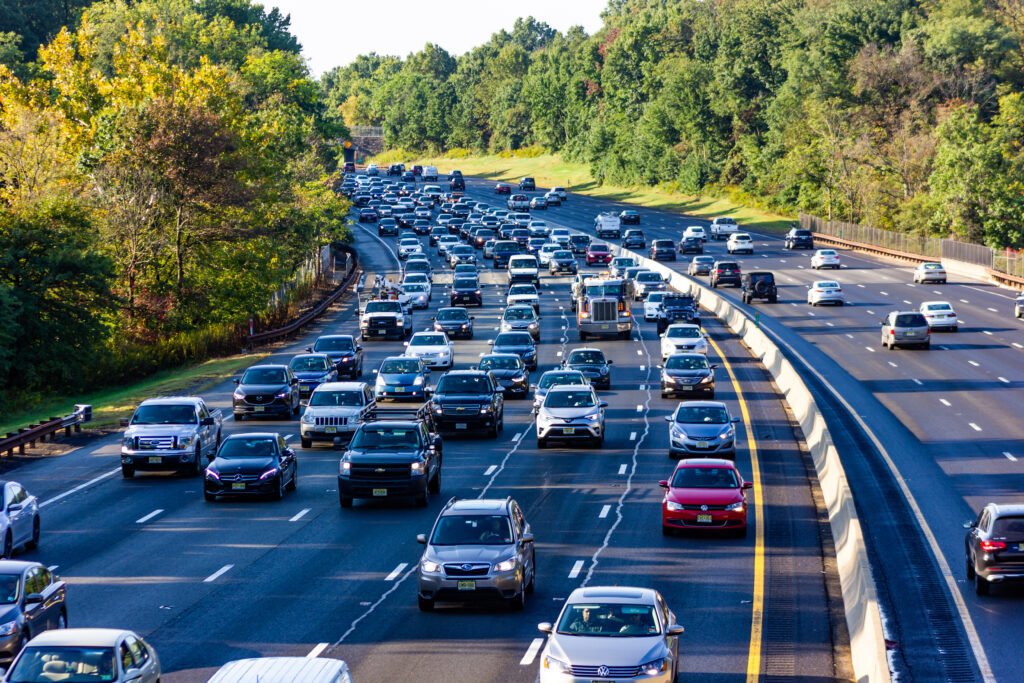
Federal laws provide speed limits for states to enact on various roadways. Most rural highways have a statutory speed limit of 70 mph. This reduces the risk of a crash or collision since all drivers are moving at roughly the same speed.
Standardized Signs
Highways have standardized signs regulated by the Federal Highway Administration. The rules outlined in the Standard Highway Signs and Manual on Uniform Traffic Control Devices ensure motorists can see and recognize signage on the highway. This helps prevent distraction or confusion when driving, reducing potential accidents.
Better Maintenance
The Federal Highway Administration (FHWA) and state governments must maintain interstates and local highways. The FHWA covers the upkeep and construction of federal roadways, so highways often have less debris, potholes, or structural issues than other roads.
Despite all these safety benefits, highways can still be dangerous due to negligent drivers who vastly exceed the speed limit or recklessly change lanes without signaling. It’s important to drive cautiously on the highway and speak with a car accident attorney if you are involved in an accident due to someone else’s negligence.
Do More Accidents Happen on Local Roads Than Highways?
Yes — statistically, local roads account for a far greater share of fatal and injury crashes than highways. The following factors increase your chances of an accident on rural and city streets:
More Intersections
NHTSA data shows that there were 8,758 fatal accidents at intersections in 2020. Due to the high number of intersections on local roads where cars are moving in multiple directions, there is an increased risk of a collision.
Less Space to Maneuver
Unlike wide or divided highways, local roads are typically narrower than highway lanes, providing less room for drivers to maneuver other vehicles. Overcrowded streets can lead to aggressive driving or reduced time for making decisions. For example, driving during a city rush hour can increase your chances of being in an injury-causing accident by 40%, due to other drivers’ reckless driving behavior.
Speed Limit Variation
While highways have relatively consistent speed limits, local roads may have several different posted speeds in a short span. With multiple speed limits in different areas, cars may move at varying speeds, increasing the risk of a collision.
Less Maintenance
In Indiana, small town roads may not be repaired or cleared as quickly as highways, leading to more danger from weather-related conditions such as ice or potholes. Rural municipalities also have different resources regarding funds, workers, and equipment provided than federal highways.
What to Do If You Get in an Auto Accident in Indiana
Though highways may generally be safer than local roads, you are at risk of an accident any time you get behind the wheel of a vehicle and onto a road you are sharing with other drivers.
If you have been involved in an accident that was not your fault, the Indianapolis auto accident lawyers at Wagner Reese can help.
The lawyers at Wagner Reese have fought for car accident victims’ rights and have won millions in compensation for our clients. We will work hard on your behalf to investigate your accident and seek maximum compensation. Contact our team today to schedule a free case evaluation.
Legal Perspectives On Vehicle Accidents Occurring On Expressways
Expressway safety compared to roads is often discussed, with highways generally being considered safer due to their design. However, accidents still happen, sometimes involving serious injuries or disputes over liability. When collisions occur on expressways, determining fault can be more complicated than on local roads. Drivers are traveling at higher speeds, which can make crashes more severe. Reckless driving, distracted behavior, or improper lane changes are common causes of accidents, and fault must be carefully established through evidence and investigation.
Expressways versus other roads safety becomes even more complicated when government responsibility is involved. Federal and state agencies oversee highway maintenance, making sure roads are safe. If a crash happens because of poor road conditions, missing signs, or faulty barriers, a government agency might be held accountable. Filing claims against public entities requires following specific legal steps, and victims may face strict deadlines.
Why expressways are safer is partly due to their structure, but that does not eliminate risks. Highways are frequently used by large trucks, and accidents involving these vehicles can be severe. If a truck driver is at fault, the trucking company, manufacturer, or cargo loaders may also be responsible. Regulations such as required rest periods for drivers and vehicle inspections are essential in these cases, and any violations can support a legal claim.
Being behind the wheel during the safest times to drive can reduce accident risks, but no road is completely safe. Expressways may be built for efficiency and smoother traffic flow, yet dangers remain. When a crash happens, understanding legal rights and seeking help from knowledgeable car accident attorneys is critical.
Car accident attorneys help victims who need compensation after an expressway crash. Insurance companies may try to limit payouts or argue against claims, making legal representation necessary for many people. Skilled attorneys review evidence, negotiate settlements, and fight for fair compensation in court when needed. Whether an accident involves reckless driving, a government-related hazard, or a commercial vehicle, having legal help can make a huge difference.
If you have been injured due to someone else’s negligence on an expressway, the dedicated car accident attorneys at Wagner Reese are ready to fight for the compensation you deserve. Contact us today to schedule a free consultation.
Frequently Asked Questions About Highway Safety in Indiana
Are highway accidents in Indiana more severe than accidents on local roads?
Highway accidents occur less frequently than accidents on local roads, but they tend to cause more severe injuries due to higher travel speeds. The force of impact increases dramatically at highway speeds, making injuries more catastrophic and recovery times longer. Indiana interstates including I-65, I-70, and I-69 also carry heavy commercial truck traffic, and truck-involved crashes are among the most serious on any roadway. If you were seriously injured in a highway accident in Indiana, Wagner Reese can help you pursue compensation.
Can I sue the government if poor road maintenance on an Indiana highway caused my accident?
Potentially, yes. If a hazardous road condition such as an unfilled pothole, missing signage, or a faulty guardrail contributed to your accident on an Indiana state or federal highway, a government agency may share liability. However, claims against government entities in Indiana carry strict notice deadlines under the Indiana Tort Claims Act: 180 days for city or county entities and 270 days for state agencies. Missing these deadlines typically bars recovery entirely. Contact Wagner Reese as soon as possible to protect your rights.
Who is liable in a multi-vehicle highway accident in Indiana?
Liability in a multi-vehicle highway crash depends on which driver or drivers initiated the collision and how Indiana’s modified comparative fault rules apply. Indiana allows you to recover compensation as long as you are less than 51% at fault, though your award is reduced proportionally by your percentage of fault. In crashes involving commercial trucks, the trucking company, cargo loaders, or vehicle manufacturer may also share liability. A knowledgeable Indiana car accident attorney at Wagner Reese can investigate and identify all responsible parties.
What evidence should I gather after a highway accident in Indiana?
If you are physically able, photograph all vehicle positions, road markings, skid marks, debris, and visible damage before vehicles are moved. Collect the names and contact information of all witnesses and the responding officer’s name and report number. Note whether any nearby cameras, overpasses, or businesses might have captured the crash. Seek medical attention even if you feel uninjured, as symptoms often appear days later. Contact a Wagner Reese Indiana accident attorney promptly, since evidence can disappear quickly.
Do I need a lawyer after a highway accident, or can I handle the insurance claim myself?
For minor fender-benders with no injuries, handling a claim independently is often feasible. However, for highway accidents involving serious injuries, multiple vehicles, commercial trucks, disputed fault, or government road conditions, legal representation is strongly advisable. Insurance companies deploy adjusters who work to minimize payouts, and without an attorney you may settle before the full extent of your injuries is known. Wagner Reese handles Indiana highway accident cases on a contingency fee basis — you pay nothing unless we recover compensation for you.