Key Takeaways
- U-turns are generally legal in Indiana except in specific dangerous scenarios.
- Never make U-turns near curves, crests of graded roads, railroad tracks, or when another driver within 750 feet cannot see you clearly.
- Always yield right-of-way to oncoming traffic and pedestrians, and obey posted no U-turn signs.
- Median U-turns are considered safest as they allow you to wait for clear traffic.
- Since Indiana is an at-fault state, illegal or unsafe U-turns can result in traffic citations, fines, license points, and liability for accidents and injuries.
Some states forbid U-turns under any circumstances, while others only restrict this driving maneuver in certain scenarios. Indiana U-turn laws are important for all drivers in the state. Following all Indiana traffic rules requires knowing U-turn legality in Indiana.
Statistics from the National Highway Traffic Safety Administration (NHTSA) nationwide for 2022 found over 60,000 accidents that were the result of U-turns, and that improper U-turns were a factor in nearly 14% of accidents, most of which occurred at or near intersections.
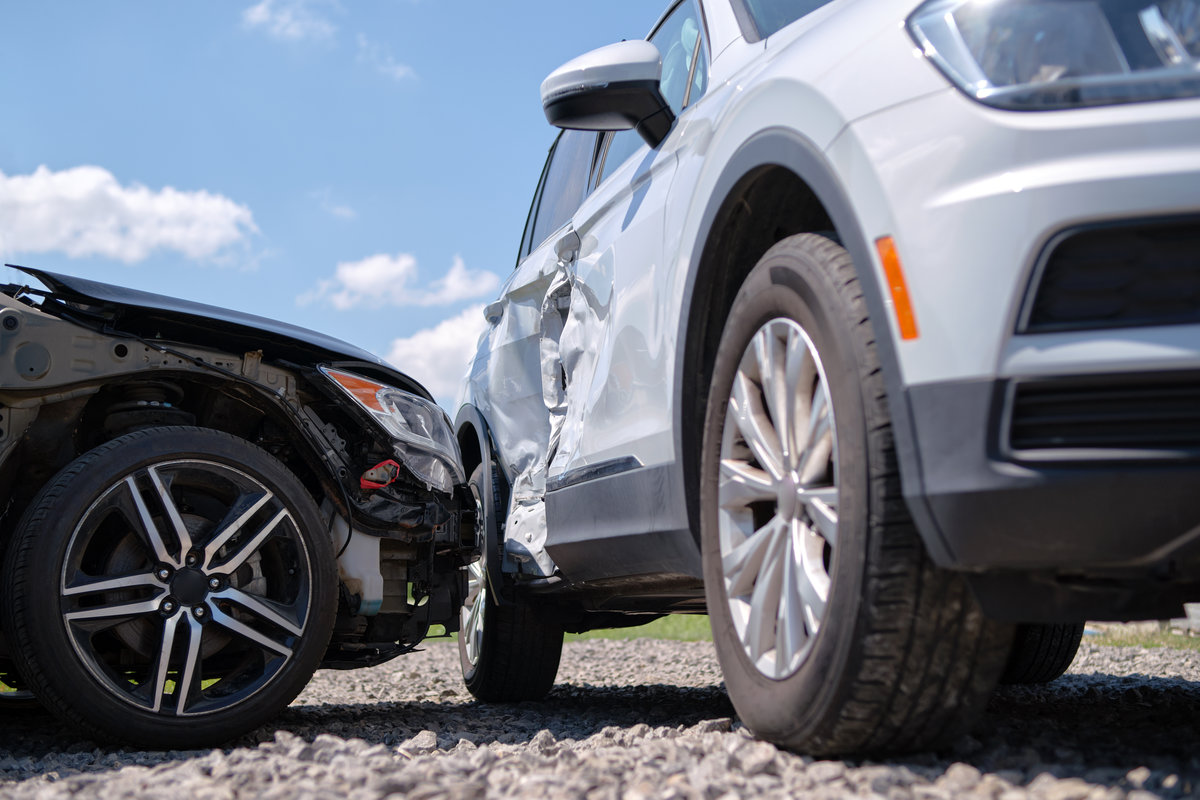
When this type of turn leads to a U-turn accident,you certainly don’t want to be blamed if you were following the rules. Wagner Reese is an Indiana auto accident law firm that represents injured victims in car crashes.
In this blog post, we answer the question, “Are U-turns legal in Indiana?” and discuss what to do if you find yourself in this situation.

When Are U-Turns Illegal in Indiana?
Common misconceptions about U-turns are that the general public either believes they are always legal or that they are always illegal. In most cases, Indiana traffic laws permit U-turns, though Indiana Code does prohibit certain types of U-turns. To avoid making an illegal U-turn, it helps to understand what Indiana Code 9-21-8-22 states about turning your car around in the opposite direction. Here’s when you should never make a U-turn:
- Never U-turn when in or near any type of curve, as it restricts your view. You should always have a clear line of vision before making this type of turn.
- Don’t U-turn when you’re approaching the crest of a graded road or railroad tracks.
- If another driver is coming from either direction within 750 feet and they can’t see you, do not make a U-turn.
A basic rule of thumb is to never make a U-turn if it could present a danger to others. All drivers performing U-turns must yield the right-of-way to both oncoming traffic and pedestrians, even if it is permitted at that part of the road. If there are any signs posted at the traffic control devices at an intersection, in a median, or at any other point that clearly state that no U-turns are permitted, you should obey them. Failing to obey and making an illegal U-turn can result in consequences such as causing a car accident as well as traffic citations, fines, points on your driver’s license, and being held liable for injuries.
When Is a U-Turn Evidence of Another Driver’s Negligence in a Car Accident?
Problems can arise after a U-turn accident since Indiana is an at-fault state. If the other driver made a U-turn that was unsafe or violated the laws, they may try to blame you. Since modified comparative negligence could mean you are assigned partial blame, it is important to get evidence of the other driver’s negligence.
If you were on the highway, it would be very difficult for the negligent driver to dispute fault for the U-turn accident. While U-turns are generally legal, they aren’t allowed on high-speed roads because it is too difficult to get up to speed in time to avoid oncoming traffic
In a residential area, making a U-turn may be a more common action, and instead of finger-pointing, you’ll want to have a car accident attorney familiar with local traffic laws advocate for your fair compensation. They will have the resources to gather evidence, such as photos of skid marks, witness statements, and expert testimony, to prove who was at fault for the accident.
Are Median U-Turns Safe?
Median U-turns are considered the safest way to make a U-turn because the median allows you to pull out of the way of traffic and wait until it’s safe to make this maneuver. However, to avoid serious accidents when making U-turns at medians or traffic signals, be cautious about emergency vehicles. In residential districts, be vigilant for pedestrians as well, since many will use the median as a safe place to cross larger roads.
Schedule a Free Consultation to Discuss Your U-Turn Accident
Are U-turns illegal in Indiana? They are completely legal except in certain scenarios. However, even if you are permitted to make a U-turn at a certain point in the road, you could still be at fault if you do not make sure this maneuver is performed safely.
Whether you were in an accident with another driver who made a U-turn in a prohibited zone or your U-turn is being questioned, Wagner Reese can help advocate for your legal rights. You may have sustained serious injuries resulting in major medical bills, lost wages that can impact your future earning capacity, and other financial burdens. Your best chance to recover compensation without having it reduced by a percentage of fault is to work with a lawyer who understands these laws and will use the evidence to strengthen your claim.
Contact us today to schedule a free consultation where we can review the specific factors of your crash and help you determine the next steps to take in the legal process.