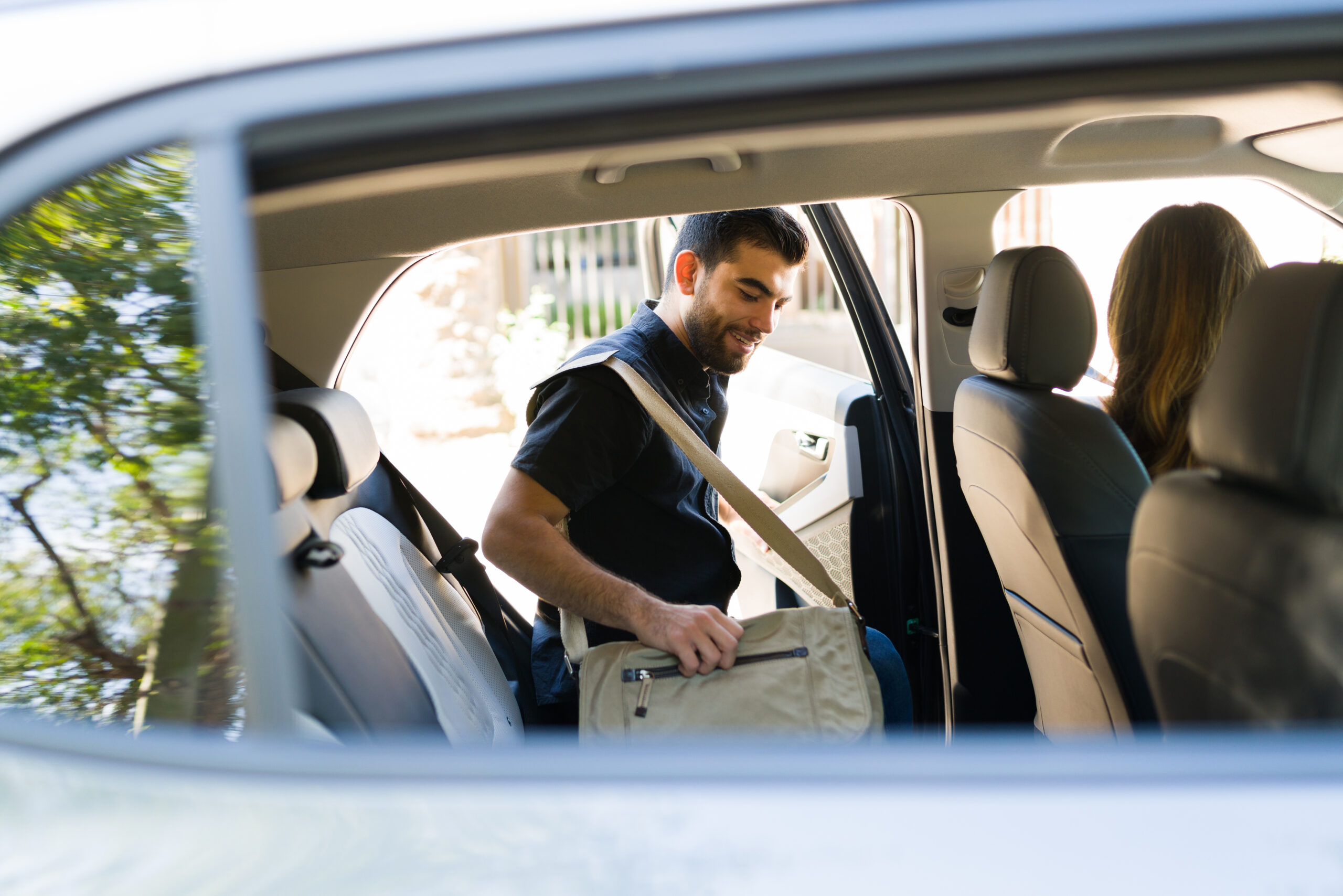

A ride that should have taken ten minutes can turn into months of pain, missed work, and mounting medical bills in an instant. If a Columbus, IN rideshare trip ended in a vehicle accident, you are likely facing confusing questions about who pays for your injuries. Uber and Lyft drivers operate under insurance rules that differ from a standard personal auto policy, and figuring out which coverage applies to your specific ride can feel like a full-time job on top of your recovery.
At Wagner Reese LLP, our attorneys have represented injured Hoosiers for more than two decades, and our firm’s combined attorney experience now exceeds 150 years. Founded by Stephen Wagner in 1997 and joined by partner Jason R. Reese in 2000, our firm is recognized year after year as a Tier-One Best Lawyers law firm, and our attorneys are continuously named to Super Lawyers and The Best Lawyers in America. We work on a contingency basis, so hiring a personal injury attorney from our team never means paying out of pocket unless we recover compensation on your behalf.
TIME-SENSITIVE: Indiana Statute of Limitations
Indiana law gives most injury victims two years from the date of injury to file a lawsuit. After that deadline passes, you permanently lose your right to pursue compensation — regardless of how strong your case is.
How Rideshare Accident Claims Work in Columbus
Uber and Lyft are classified as transportation network companies under Indiana law, and this classification creates layered insurance coverage that depends on what the driver was doing at the moment of the crash. If a driver is logged into the app but has not yet accepted a ride request, a lower tier of liability coverage typically applies. Once a driver accepts a match or has a passenger in the vehicle, Indiana’s insurance requirements for transportation network companies call for primary liability coverage of at least $1 million per incident for death, bodily injury, and property damage. Sorting out which phase applied to your crash, and which policy actually responds, is often the most contested part of a rideshare claim.
Columbus sits along the I-65 corridor and near several state highways that see steady rideshare traffic, and a distracted or fatigued driver checking a phone for the next fare can just as easily cause a serious crash here as in a larger metro area. Indiana’s rideshare and Uber services have grown quickly in recent years, a trend our firm has followed closely as part of our commitment to keeping Hoosiers informed about the risks that come with that growth.
Types of Rideshare Accident Claims We Handle
Rideshare crashes take many forms, and the right claim strategy depends heavily on how the collision happened and who was at fault. Our firm has represented clients across a range of rideshare accident scenarios, including the following:
- Passenger injuries sustained during an Uber or Lyft ride
- Collisions caused by a rideshare driver who ran a red light or stop sign
- Drunk driving accidents involving an impaired rideshare driver or an impaired driver who struck a rideshare vehicle
- Injuries to pedestrians or cyclists struck by a driver logged into a rideshare app
- Multi-vehicle crashes where a rideshare driver was distracted by trip requests or navigation
Every one of these claims carries its own evidence and insurance challenges, and pinpointing the correct coverage layer early on can make a meaningful difference in the outcome of your case.
How Our Attorneys Approach Your Rideshare Case
Our firm is selective about the cases we take, and we focus our resources on injury claims that require real litigation experience rather than a quick settlement offer. When you bring us a rideshare accident case, our attorneys work to identify every applicable insurance policy, gather trip data and driver logs where available, and build a record that holds the at-fault party accountable. We are proud that we are not a firm that chases volume, and our attorneys see every client as a person navigating a difficult recovery, not a case number.
What to Do After a Rideshare Accident in Columbus
If you were hurt in an Uber or Lyft accident, a few steps in the days that follow can protect both your health and your claim. Report the crash to police so an official record exists, and seek medical attention even if your injuries seem minor at first, since some symptoms take days to appear. Use the rideshare app to report the incident, but be cautious about giving a recorded statement to any insurance adjuster before speaking with an attorney. Insurance companies sometimes move quickly to offer a low settlement before you understand the full extent of your injuries, and accepting that offer can close off your ability to seek fair compensation later.
Contact Wagner Reese LLP Today for Help With Your Rideshare Accident
$200M+
Recovered for clients
150+
Combined years of experience
28+
Years serving Indiana
24/7
Attorney availability
$0
Fees unless we win
Wagner Reese LLP has built a reputation across Indiana for handling catastrophic injury cases with the same level of preparation and care as our largest trucking and wrongful death claims. Our attorneys are continuously recognized by Super Lawyers and The Best Lawyers in America. Founding partner Stephen Wagner was named Indiana Trial Lawyer of the Year by the Indiana Trial Lawyers Association in 2006, and founding partner Jason Reese received the Leadership in Law Distinguished Barrister Award from The Indiana Lawyer in 2019.
If you were injured in a rideshare accident in Columbus, our attorneys are ready to review what happened and explain your options in plain terms. Reach out through our contact form to schedule a consultation, and let us help you understand what your rideshare accident case may be worth.