

Side-impact collisions are among the most physically devastating crashes a driver can experience. When a vehicle strikes another vehicle on its side, the force is transferred directly into the passenger compartment, with very little structural protection to absorb the impact. Injuries are often severe, medical costs can be staggering, and victims may face months or years of recovery while also navigating a complex insurance claim.
If you or someone you know was hurt in a T-bone crash in Carmel, Indiana, the attorneys at Wagner Reese LLP are ready to help. Our team brings more than 150 combined years of experience handling serious personal injury cases, and as a Carmel car accident lawyer serving victims throughout the Indianapolis metro area, we know what it takes to pursue full and fair compensation. We work exclusively on a contingency fee basis, meaning you pay nothing unless we recover on your behalf.
Why T-Bone Crashes Cause Such Serious Injuries
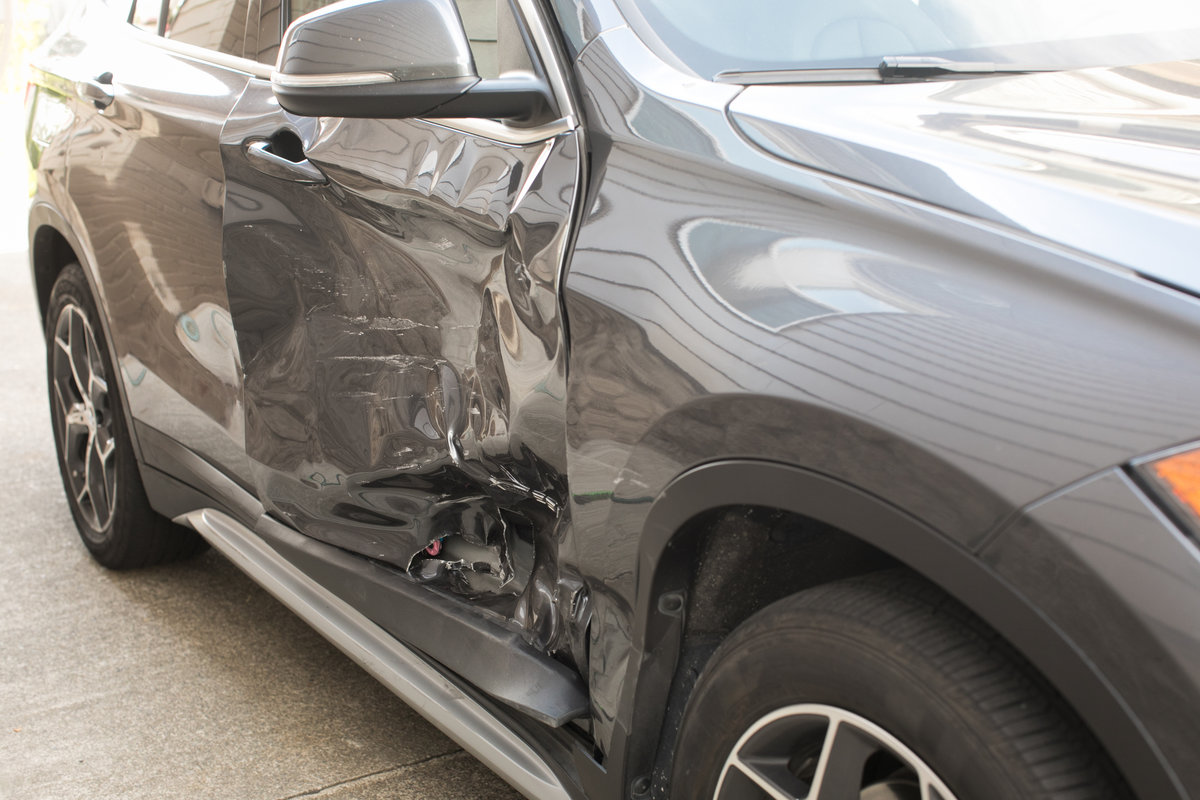
T-bone collisions, also called side-impact or broadside crashes, occur when the front of one vehicle strikes the side of another, typically forming a T shape at the point of impact. These crashes happen most often at intersections, where vehicles traveling in perpendicular directions meet.
The danger stems from the limited crumpling space between the outer door panel and the occupants inside. Unlike the front or rear of a vehicle, which offers substantial crush zones designed to absorb energy, the door provides relatively little protection. According to NHTSA’s 2022 Rural/Urban Traffic Fatalities report, there were 12,036 fatalities in intersection crashes that year alone, underscoring just how deadly these collisions can be.
Common Injuries in Side-Impact Collisions
Victims of T-bone crashes commonly suffer a wide range of injuries, many of which require surgery, rehabilitation, or long-term medical care. The following are among the most frequently documented:
- Head and brain trauma: These include concussions and traumatic brain injuries from the head striking the window, door frame, or deploying the side curtain airbag.
- Spinal cord damage: Violent lateral forces can fracture vertebrae or damage the cord itself, potentially causing partial or complete paralysis.
- Broken ribs and internal injuries: Compression of the torso against the seatbelt or door can fracture ribs and damage internal organs.
- Shoulder and hip fractures: The body’s side-facing joints absorb tremendous force during a broadside impact.
- Neck injuries: Whiplash and cervical spine injuries are common even at moderate speeds.
The full consequences of a catastrophic injury may not be immediately apparent, which is why a thorough medical evaluation after any T-bone crash is critical.
Who Is at Fault in a T-Bone Accident?
Establishing fault in a T-bone crash typically comes down to who had the right of way. However, that determination is rarely straightforward, and insurers often dispute liability. Multiple parties may share responsibility, including the other driver, a municipality responsible for a malfunctioning traffic signal, or a vehicle manufacturer if a defective component contributed to the crash.
Common causes of T-bone collisions in Carmel include running red lights or stop signs, failing to yield on a left turn, distracted driving, impaired driving, and excessive speed through an intersection. Determining fault in an Indiana car accident requires a thorough investigation that includes police reports, traffic camera footage, witness statements, and, in some cases, accident reconstruction analysis.
Indiana’s Comparative Fault Rules
Indiana follows a modified comparative fault standard. Under this rule, you may still recover compensation even if you were partially responsible for the crash, as long as your share of fault does not exceed 51 percent. However, your total recovery will be reduced by your percentage of fault. This is why having an attorney carefully document the evidence is so important. Insurance companies routinely attempt to shift blame onto injury victims to reduce or deny their claims.
What Compensation May Be Available
Victims of T-bone accidents in Carmel may be entitled to compensation for both economic and non-economic losses. Economic damages include current and future medical bills, lost wages, reduced earning capacity, and the cost of long-term rehabilitation or in-home care. Non-economic damages cover pain and suffering, emotional distress, and diminished quality of life.
In cases where the at-fault driver acted with extreme recklessness, such as driving drunk or running a red light at high speed, punitive damages may also be available. If a crash results in a fatality, the victim’s family may have grounds to pursue a wrongful death claim against the responsible party.
Contact Wagner Reese LLP After a Carmel T-Bone Accident
When you are dealing with serious injuries, mounting medical bills, and an insurance company working to minimize your claim, having experienced legal representation makes a significant difference. Wagner Reese LLP has built a reputation for handling high-stakes personal injury cases throughout Indiana, and our attorneys are consistently recognized by Super Lawyers and The Best Lawyers in America. Our founding partners have both received the Trial Lawyer of the Year award, and our firm has earned a Tier-One Best Lawyers Law Firm ranking year after year.
If you were hurt in a T-bone crash in Carmel or anywhere across the greater Indianapolis area, our Carmel personal injury lawyers are available to review your case at no cost to you. We take cases on a contingency basis, so there are no upfront fees and no payment unless we win. Contact us today to get started.