

A rear-end collision can look minor from the outside and still leave a victim with serious, lasting injuries. The sudden impact of being struck from behind compresses the spine, snaps the head forward and back, and can cause damage to soft tissue, discs, and nerves that does not show up immediately. By the time symptoms become undeniable, days or even weeks may have passed, and the insurance company may already be looking for reasons to undervalue your claim.
If you were rear-ended in Carmel, Indiana, the attorneys at Wagner Reese LLP are ready to fight for the full compensation you deserve. With more than 150 combined years of experience handling serious personal injury cases throughout Indiana, our team knows how to investigate these crashes, counter insurer tactics, and build the strongest possible claim on your behalf. We take every case on contingency, so there are no upfront costs and no fees unless we recover for you. As your Carmel car accident lawyer, we handle the legal process so you can focus on recovering.
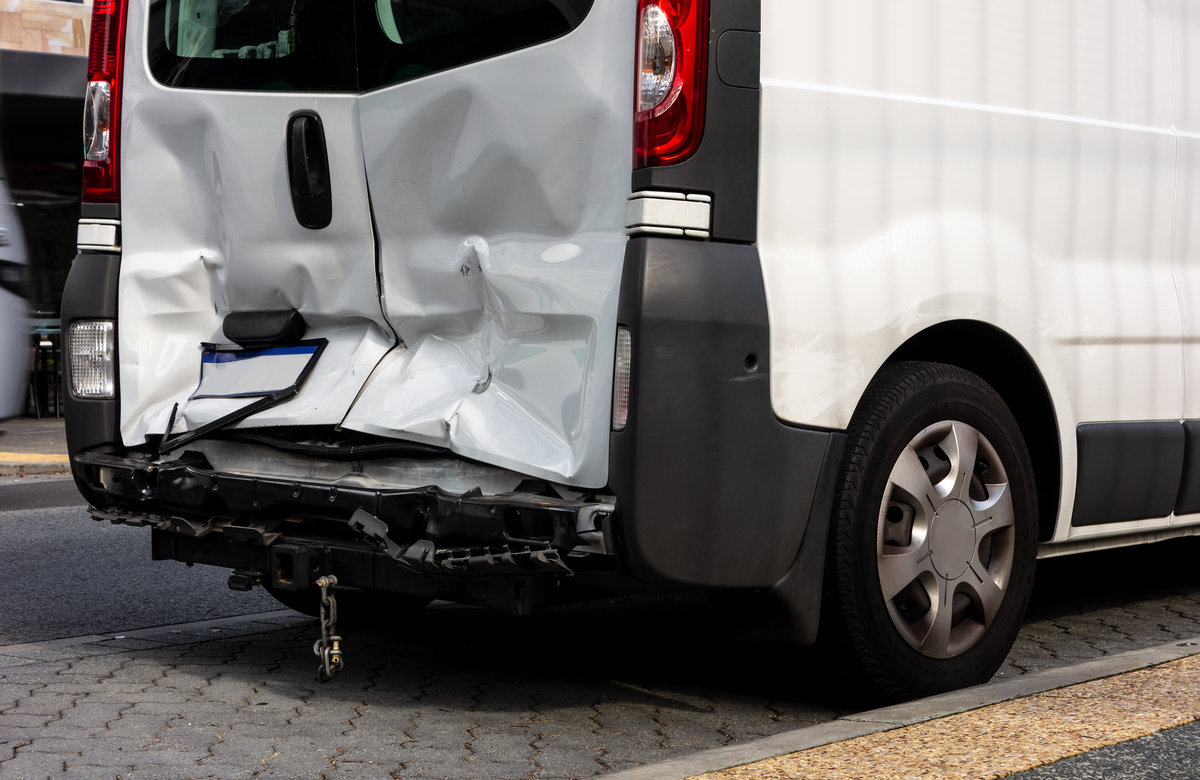
Why Rear-End Crashes Happen in Carmel
Carmel has invested significantly in roundabouts to manage traffic flow, and while the city is known for having more roundabouts than any other city in the United States, rear-end crashes remain a persistent problem. They occur on US-31, on 96th Street, at shopping center entrances, and at roundabout approaches where drivers misjudge stopping distances or follow too closely.
According to a Traffic Safety Facts report from NHTSA, rear-end crashes account for more than 29 percent of all crashes, and they most often result from a driver failing to respond in time to a slowing or stopped vehicle ahead. Distracted driving is among the leading contributors, along with tailgating, impaired driving, and excessive speed. In Carmel, where traffic volume on major corridors has grown steadily, the risk is real, and the crashes can be severe.
Common Injuries Caused by Rear-End Collisions
Because the force of a rear-end impact is absorbed primarily by the neck and spine, victims frequently suffer injuries that are both painful and slow to heal. The following are among the most common:
- Whiplash and cervical strain: Rapid forward-and-backward movement of the head overstretches the neck muscles and ligaments, producing pain, stiffness, and headaches that can persist for months.
- Herniated discs: Compression along the spine can rupture the cushioning between vertebrae, causing nerve pressure that radiates pain, numbness, or weakness into the arms or legs.
- Traumatic brain injuries: Even without striking the head on a surface, the brain can sustain injury from the sudden deceleration forces involved in a rear-end crash.
- Lumbar spine injuries: The lower back absorbs significant force during a rear impact, and disc injuries in this region can cause debilitating pain and limit mobility long-term.
- Soft tissue damage: Tears and sprains to muscles, tendons, and ligaments throughout the back and shoulders are extremely common and can result in chronic pain following a car crash that affects daily life for years.
The full extent of these injuries often does not emerge immediately, which is why medical evaluation after any rear-end crash is critical, regardless of how you feel at the scene.
Proving Fault in a Rear-End Accident
In most rear-end crashes, the trailing driver bears primary responsibility. Indiana law requires all drivers to maintain a safe following distance and stay attentive enough to stop for traffic ahead. When a driver tailgates, looks at a phone, or follows too closely at a roundabout approach or highway on-ramp, they breach that duty and may be held liable for all resulting harm.
That said, insurers do not simply accept liability. They routinely investigate whether the front driver stopped abruptly, changed lanes unexpectedly, or had malfunctioning brake lights. Determining fault in an Indiana car accident requires collecting and preserving evidence quickly, including police reports, photographs, traffic or security camera footage, and witness accounts.
Indiana’s Comparative Fault Rule
Indiana follows a modified comparative fault standard. If you are found to bear some share of responsibility for the crash, your recovery is reduced by that percentage. As long as your fault does not exceed 51 percent, you may still recover, but every percentage point assigned to you matters. This is why having an attorney who will actively counter attempts to shift blame onto you can make a significant difference in the outcome of your case.
What Compensation Is Available After a Rear-End Accident?
A successful claim following a rear-end accident in Carmel may include compensation for medical expenses, lost wages, diminished earning capacity, and the cost of ongoing treatment or rehabilitation. Non-economic damages for pain and suffering, emotional distress, and loss of enjoyment of life are also recoverable and are often the most meaningful part of a serious injury settlement.
In cases where a rear-end crash results in a fatality, surviving family members may have grounds to file a wrongful death claim against the at-fault driver.
Contact Wagner Reese LLP After a Carmel Rear-End Accident
Wagner Reese LLP has earned a reputation for taking on complex, high-stakes personal injury cases that other firms turn away. Our founding partners have each been awarded Trial Lawyer of the Year, our attorneys are consistently recognized by Super Lawyers and The Best Lawyers in America, and our firm holds a Tier-One Best Lawyers Law Firm ranking year after year. We are not a high-volume settlement operation. We are a selective firm that takes cases seriously and pursues maximum recovery for every client we represent.
If you were hurt in a rear-end crash in Carmel or the surrounding Hamilton County area, our Carmel personal injury lawyers are available to review your case at no charge. We work on a contingency basis, so you owe nothing unless we win. Contact us today to speak with our team.