

Rear-end collisions happen in an instant, but the injuries they cause can take months or years to resolve. Whether the crash occurred on State Road 46, at a busy intersection near Indiana University, or on a stretch of highway through Monroe County, the physical and financial toll can be significant. Whiplash, spinal injuries, and traumatic brain injuries are among the most common outcomes, and even crashes at relatively low speeds can leave victims with chronic pain and mounting medical bills.
If you were hurt in a rear-end crash in Bloomington, the attorneys at Wagner Reese LLP are here to help. Our team brings more than 150 combined years of experience to every case, and we work on a contingency fee basis, which means you pay nothing out of pocket unless we recover compensation on your behalf. As your Bloomington car accident lawyer, we are ready to investigate your crash, build a strong claim, and take on the insurance companies who will work to minimize what you are owed.
Why Rear-End Crashes Are So Dangerous
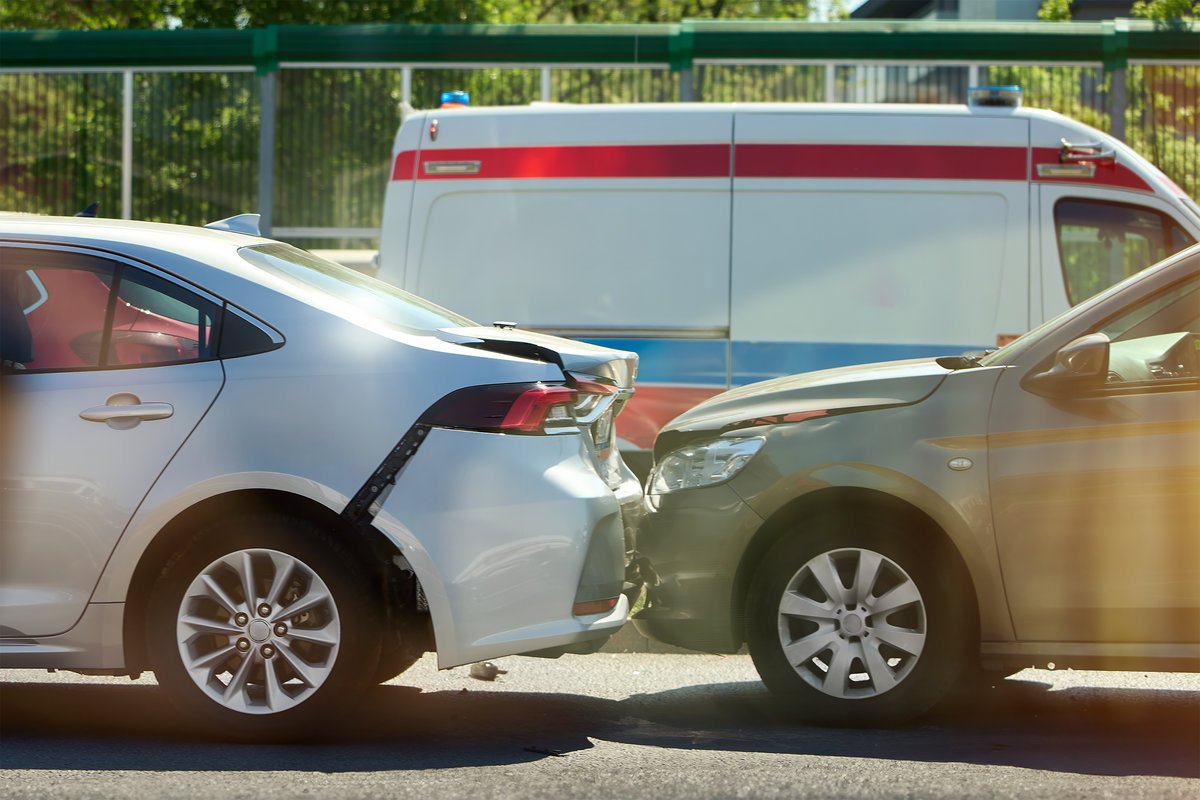
Rear-end collisions are the most common type of crash on American roads. According to a Traffic Safety Facts report published by NHTSA, rear-end crashes account for more than 29 percent of all crashes, and they most often result from a driver’s failure to respond in time to a slowing or stopped vehicle ahead.
Despite being widely viewed as minor fender-benders, rear-end impacts can inflict serious harm. The sudden, forceful jolt throws the head and neck forward and back in a fraction of a second, creating injury mechanisms that do not always produce immediate symptoms. Victims often feel fine at the scene only to develop debilitating pain, headaches, or neurological symptoms in the days that follow. This delayed onset is one reason seeing a doctor promptly after a car accident is so important, even when you believe your injuries are minor.
Common Injuries in Rear-End Collisions
Rear-end crashes produce a predictable range of injuries due to the physics of the impact. The following are among the most frequently seen in these cases:
- Whiplash and cervical spine injuries: Rapid extension and flexion of the neck strains muscles, ligaments, and vertebrae, often causing chronic pain that lingers long after the crash.
- Traumatic brain injuries: The brain can strike the inside of the skull during sudden deceleration, causing concussions and more severe TBIs even without direct head contact.
- Herniated and bulging discs: Compression forces from a rear impact can rupture intervertebral discs in the cervical or lumbar spine, leading to nerve pain and reduced mobility.
- Fractured vertebrae: High-speed rear-end crashes can fracture the spine, potentially causing permanent neurological damage.
- Soft tissue damage: Tears and sprains to the muscles and connective tissue throughout the back, shoulders, and hips are extremely common and can be slow to heal.
Each of these injuries may require imaging, specialist visits, physical therapy, and, in some cases, surgery, all of which carry real costs that warrant full compensation.
Who Is Liable After a Rear-End Crash?
In most rear-end crashes, the driver who strikes from behind bears primary responsibility. Indiana law requires all drivers to maintain a safe following distance and remain attentive enough to stop for traffic ahead. When a driver tailgates, speeds, drives distracted, or operates a vehicle under the influence, they breach that duty and may be held liable for all resulting harm.
That said, liability is not always cut-and-dried. Insurers may argue that the lead driver suddenly stopped, had nonfunctional brake lights, or made an unsafe lane change. Knowing what to do after a car accident in Indiana can make a meaningful difference in preserving the evidence needed to protect your claim. Photographs, witness contact information, police reports, and prompt medical documentation all strengthen your position when seeking compensation.
Indiana’s Comparative Fault Standard
Indiana follows a modified comparative fault rule, meaning your recovery may be reduced if you are found to bear some portion of fault for the crash. You can still recover compensation as long as your share of fault does not exceed 51 percent, but every percentage point assigned to you reduces your total award. This is why it is critical to have an attorney who will investigate thoroughly and push back against any attempt by the insurer to shift blame onto you.
What Damages You May Be Able to Recover
A successful rear-end accident claim may include compensation for past and future medical expenses, lost income, reduced earning capacity, and the ongoing costs of rehabilitation or in-home care. Non-economic damages for pain and suffering, emotional distress, and loss of enjoyment of life are also recoverable and are often the most significant component of a serious injury claim.
When a rear-end crash results in a fatality, surviving family members may have the right to pursue a wrongful death claim to recover the losses associated with that tragic outcome.
Contact Wagner Reese LLP for Help With Your Bloomington Rear-End Accident Claim
Wagner Reese LLP has built a record of results in serious personal injury cases across Indiana, and our attorneys are continuously recognized by Super Lawyers and The Best Lawyers in America. Our firm holds a Tier-One Best Lawyers Law Firm ranking, and our founding partners have each received the Trial Lawyer of the Year award. We handle complex, high-stakes cases for injured people throughout Bloomington and Monroe County, and we treat every client as an individual, not a file number.
If you were injured in a rear-end crash, our Bloomington personal injury lawyers will review your case at no charge and take it forward on contingency if we believe you have a claim. There are no upfront costs and no fees unless we win. Contact us today to get started.