Key Takeaways
- Indiana law allows raw milk to be legally sold only for pasteurization or as animal feed; direct-to-consumer sales for human drinking are prohibited.
- Raw milk is not pasteurized, so it can carry harmful bacteria, and children, pregnant women, older adults, and people with weakened immune systems face the greatest risk.
- Interstate sale of raw milk is banned under FDA regulation, though there is no enforcement against personally transporting it across state lines.
- Consumers harmed by contaminated raw milk may have legal recourse through negligence, product liability, or misrepresentation claims against the farm or seller.
- The Indiana Department of Health investigates foodborne illness complaints and can determine whether a product was mislabeled, improperly handled, or not pasteurized as required.
Raw milk is a controversial product with many people enthusing about its benefits. However, anyone who sells raw milk may be breaking the law. Raw milk laws in Indiana have specific stipulations for how it may be sold or used as per Indiana raw milk sale regulations.
Many question the legalities of raw milk in Indiana, and the FDA has tried to stop misinformation about it, as it can make people, especially vulnerable members of the population, very ill. If you or a loved one consumed raw milk and became ill, you may want to discuss what happened with an Indianapolis foodborne illness attorney.
Wagner Reese is a law firm committed to protecting consumer safety. In this blog post, we discuss whether raw milk is safe for human consumption and explain Indiana raw milk laws, as well as what to do when food safety has been breached.
Understanding Raw Milk Products
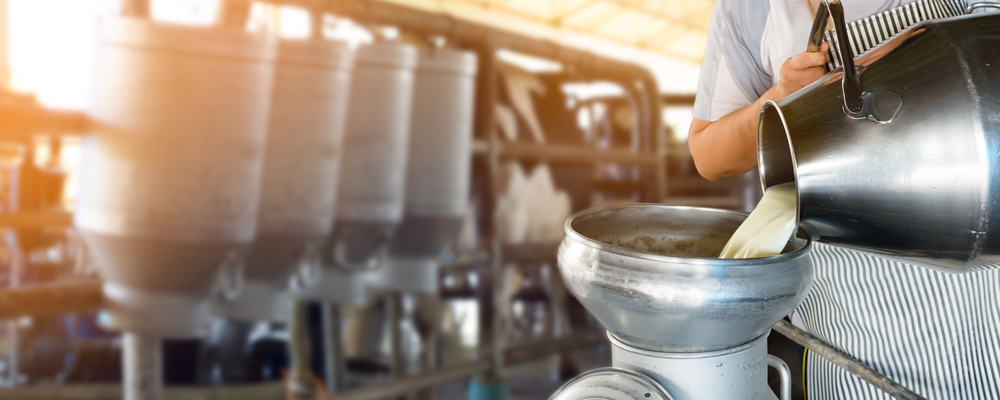
Raw milk is essentially unpasteurized milk, or milk that has not undergone the necessary heat treatment that effectively kills off harmful bacteria. Many people tout the benefits of raw milk and sell raw milk under the guise that it is healthier. However, raw cow milk can be very dangerous.
Raw milk products can include yogurt, cheese, and ice cream. Since raw milk does not undergo the pasteurization process, it can be dangerous to consume.
Is Raw Milk Legal in Indiana? Understanding Indiana Raw Milk Laws
According to the Indiana State Board of Animal Health (BOAH), there are only two ways that a person can legally obtain raw milk in the state. Raw milk can be purchased from any farm that will subject the milk to the legally required pasteurization process. If you are planning to obtain raw milk for use as animal feed, you are also allowed to buy raw milk.
In order to purchase raw milk, you must be able to take it in a bulk tank, and any raw milk that is intended for human consumption is not permitted. There are no direct-to-consumer sales of raw milk, and the sale of raw milk for people to drink is forbidden.
Public Health Risks and Benefits Associated with Consuming Raw Milk
While raw pet milk is fine, raw milk sales for humans are forbidden. There are many health risks when raw cow milk is used for human consumption. Since it’s not pasteurized, it can contain harmful bacteria that leads to food poisoning.
Certain members of the population, including children, pregnant women, older adults, and anyone with a weakened immune system, will be more susceptible to a severe illness from consuming raw pet milk. Public health and safety is a huge concern as raw milk consumption has caused the rise of many illnesses, resulting in hospitalizations.
Proponents of raw milk claim it is more nutritious and has more vitamins and minerals. They also claim it has more probiotics for improved gut health, and that it can reduce allergy risks in children. However, none of these claims have been substantiated. Both the FDA and CDC urge the use of pasteurized milk.
The Role of State and Federal Regulations on the Sale of Raw Milk and Raw Milk Consumption
Interstate sale of raw milk is banned by the FDA, which prohibits it from being shipped or sold across state lines unless the milk has been pasteurized. Milk needs to meet the Pasteurized Milk Ordinance to comply.
However, there is no enforcement against any person who purchases and transports raw milk across state lines for their personal consumption. All states have their own authority to regulate raw milk sold, whether for direct-to-consumer sales or any other way within the state’s borders.
Legal Recourse Available to Consumers Affected by Contaminated Raw Milk
The sale of raw milk is not allowed in Indiana for consumers to use themselves. As such, if you have been affected by milk that has skipped the pasteurization process, you have several options when it comes to legal recourse.
Filing a Lawsuit Against the Farmers or Producers
You may have a case under negligence if the seller or producer of the raw milk failed in their duty to exercise reasonable care at the time the milk was produced, or how it was handled or distributed. It must be shown that the failure of the farm or producer was the direct cause of harm.
Product Liability
According to the BOAH, as mentioned previously, warnings need to be present for the sale of raw milk from a farm or other source. If there are no warnings indicating that it is not for human consumption, or there were defects in manufacturing or design, then the farm or producer can be held liable.
Misrepresentation
The sale of raw milk is not allowed unless it is used for animals. When a seller makes false statements and a person relies on those statements, they may sue for fraud.
It is important to understand that there are protections for consumers who have been harmed in this way. If you were led astray in thinking it was safe to drink unpasteurized milk or you participated in the sale of raw cow milk, not realizing that it was not pasteurized, you may be able to take legal action.
Consumer Rights and Protections Related to Foodborne Illnesses in Indiana
In Indiana, you have the right to safe food, and the Indiana Department of Health (IDOH) helps protect your rights. The IDOH has a Food Protection Division that enforces regulations and looks into complaints about foodborne illnesses.
The IDOH has a duty to make sure safe food is supplied throughout the state. It holds retail food establishments responsible for meeting the requirements set by the state. If you or a family member has become ill from consuming fresh cow milk, cheese, or another dairy product sold by a farm, you should report it to the department as soon as possible. The claim will be investigated to determine if the product was not labeled correctly, there was an issue with sanitation, or it was not pasteurized properly according to regulations.
The Importance of Legal Representation in Disputes Involving Food Safety
It can be hard to file these types of claims on your own, making the need for an attorney one you should not overlook. First and foremost, lawyers can provide fair representation and advocacy if you are harmed by a foodborne illness from milk that was not fit for human consumption.
Legal processes are also notoriously complex, especially when they involve matters of food safety. It will require presenting scientific evidence, legal precedents, and regulatory issues. You should choose an attorney with expertise in this area of the law to have the best chance of recovering the compensation you deserve.
Another reason why legal representation is imperative is that attorneys have the resources to investigate and gather evidence. They will know the right experts to consult to analyze relevant scientific data and testify to support your claims. While there are no guarantees in any case, you have a greater chance of winning a settlement or verdict when you have an attorney representing you in your foodborne illness case.
When these cases make it to the courtroom, they can be compelling. Food safety lawsuits reveal the flaws in the food supply chain and help create legislation to protect others from similar harms. Using legal action to hold negligent parties accountable ultimately improves food safety regulations.
If you or a loved one were sickened by consuming raw milk in Indiana, contact Wagner Reese today to schedule a consultation. We can help determine if the product was not labeled correctly, if it did not undergo the process required to make it safe for your consumption, or if another problem arose that caused you to experience a foodborne illness.