
Self-driving car technology is rapidly evolving, but accidents involving autonomous vehicles still occur due to system malfunctions, sensor failures, or human oversight. In Indiana, determining liability in self-driving car accidents can be complex, involving manufacturers, software developers, and human operators.
Victims may suffer severe injuries due to a lack of proper safety measures or delayed reactions by the vehicle’s system. If you or a loved one has been injured in a self-driving car accident, an attorney can help you navigate the intricate legal and technical challenges of these claims.
At Wagner Reese, LLP, our Indiana self-driving car accident lawyers have been fighting for victims of negligence since 1997. We have recovered over $300 million for our clients and are known for our quick response, hands-on legal approach, and exemplary record of settlements and verdicts. Our firm is frequently recognized in the news, and we receive referrals from fellow attorneys due to our winning reputation.
As a boutique firm, we ensure that clients speak directly with our Indianapolis car accident lawyers, providing personalized and aggressive representation. We offer evening and weekend appointments, and we also speak Spanish. Our firm works on a contingency fee, so you do not pay anything until we recover compensation for you.
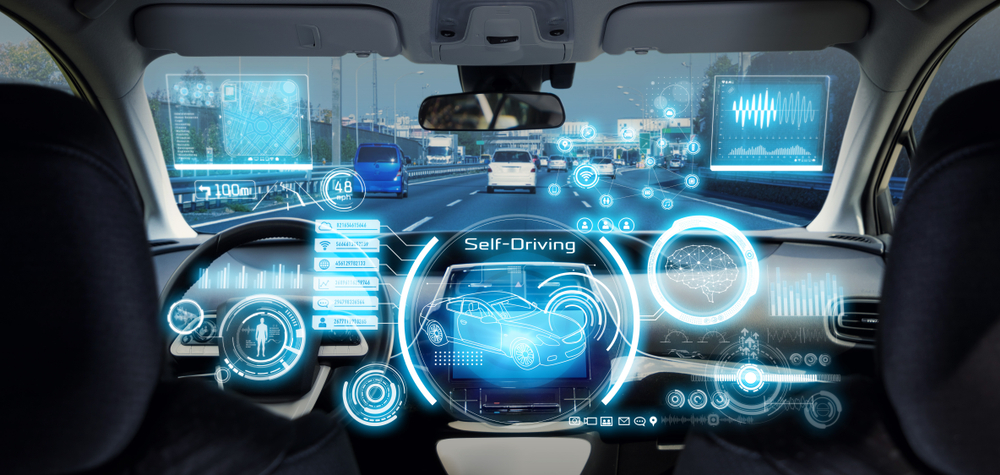
Causes of Self-Driving Car Accidents
In the experience of our autonomous vehicle accident lawyers Indiana, some of the key causes of self-driving car crashes include:
- Software Malfunctions: Defective algorithms may misinterpret road conditions, traffic signals, or obstacles, leading to unsafe driving decisions.
- Sensor Failures: Lidar, radar, or cameras may malfunction, preventing the vehicle from detecting pedestrians, cyclists, or other vehicles.
- Cybersecurity Vulnerabilities: Hackers could exploit software weaknesses to manipulate the vehicle’s controls, leading to dangerous malfunctions.
- Human Oversight Failures: Some self-driving cars require a human backup driver, and if they fail to intervene when necessary, accidents can occur.
- Inadequate Testing or Rushed Deployment: Automakers and tech companies may push vehicles onto the road before they have been properly tested, increasing the risk of malfunctions.
- Poor Road Conditions: Construction zones, potholes, or unclear lane markings can confuse autonomous systems, leading to errors.
- Lack of Regulatory Clarity: Ambiguities in self-driving car regulations may lead to inconsistencies in vehicle safety standards and accident liability.
Potentially Liable Parties in Self-Driving Car Accidents
Determining liability in a self-driving car accident is complex as multiple parties may be responsible. Our self-driving car accident attorneys Indiana will identify all negligent parties and hold them liable for maximum damages.
- Vehicle Manufacturers: If a design defect or software malfunction contributed to the crash, the manufacturer could be held accountable.
- Technology Companies: Companies developing autonomous driving software may be liable if programming errors or faulty AI decision-making played a role in the accident.
- Sensor Manufacturers: Defective lidar, radar, or camera systems that fail to detect hazards could make sensor manufacturers legally responsible.
- Fleet Operators and Rideshare Companies: Companies using autonomous vehicles, such as those in commercial fleets, may be held accountable if they fail to properly maintain, inspect, or test their vehicles.
- Human Safety Drivers: If a backup driver was present but failed to intervene in time, they might share liability for the crash.
How Our Indiana Self-Driving Car Accident Lawyers Will Prove Liability
At Wagner Reese, LLP, our attorneys will quickly collect critical evidence that establishes fault in self-driving car accident cases, including:
- Vehicle Data Logs: Capturing speed, braking patterns, and system failures at the time of the accident.
- Surveillance and Dashcam Footage: Providing visual proof of how the crash occurred.
- Expert Testimony: Industry professionals analyzing system malfunctions and liability.
- Black Box Data: Autonomous vehicle event records revealing errors or system failures.
- Maintenance and Software Update Records: Identifying potential negligence in upkeep.
- Accident Reconstruction Reports: Demonstrating the sequence of events leading to the crash.
Steps Our Indiana Self-Driving Car Accident Attorneys Take to Maximize Your Compensation
Our attorneys follow a strategic legal process to secure the compensation you deserve:
- Comprehensive Case Evaluation: Reviewing accident reports, vehicle data, and medical records to assess your case.
- Identifying Liable Parties: Investigating manufacturers, software developers, negligent operators, and third parties.
- Gathering Critical Evidence: Collecting photos and videos, black box data, expert opinions, and surveillance footage.
- Negotiating with Insurance Companies: Challenging lowball offers and ensuring fair settlement through aggressive negotiations.
- Going to Trial if Necessary: Building a strong case and presenting compelling arguments in court, including accident reconstructionist testimony.
Get Indiana Driverless Car Accident Legal Assistance Today
At Wagner Reese, our founding partners, attorneys Stephen Wagner and Jason Reese, have earned recognition as Indiana’s Top 25 Super Lawyers® and Best Lawyers® honorees. While the accolades highlight our legal excellence, our true measure of success lies in the life-changing results we achieve for our clients.
Let us put our award-winning advocacy to work for you. To schedule your free consultation, call us at (888) 204-8440 or contact us online.