






A rideshare trip is supposed to be the safe, convenient alternative to driving yourself — until it isn’t. When an Uber or Lyft driver causes a crash, passengers and other road users are left injured, overwhelmed by medical bills, and facing a complicated web of insurance policies designed to limit what they recover. If you were hurt in a rideshare accident in South Bend, the legal path forward is rarely straightforward, and waiting to take action can cost you the compensation you deserve.
At Wagner Reese LLP, we know how disorienting it can be to face serious injuries while companies and their insurers work to minimize liability. Our attorneys have been representing catastrophically injured Hoosiers throughout Indiana since the firm was founded in 1997, and we are recognized year after year by Super Lawyers and Best Lawyers in America. As part of our full range of practice areas, our team handles complex rideshare injury cases across South Bend and the surrounding region.
How Rideshare Accidents Happen in South Bend
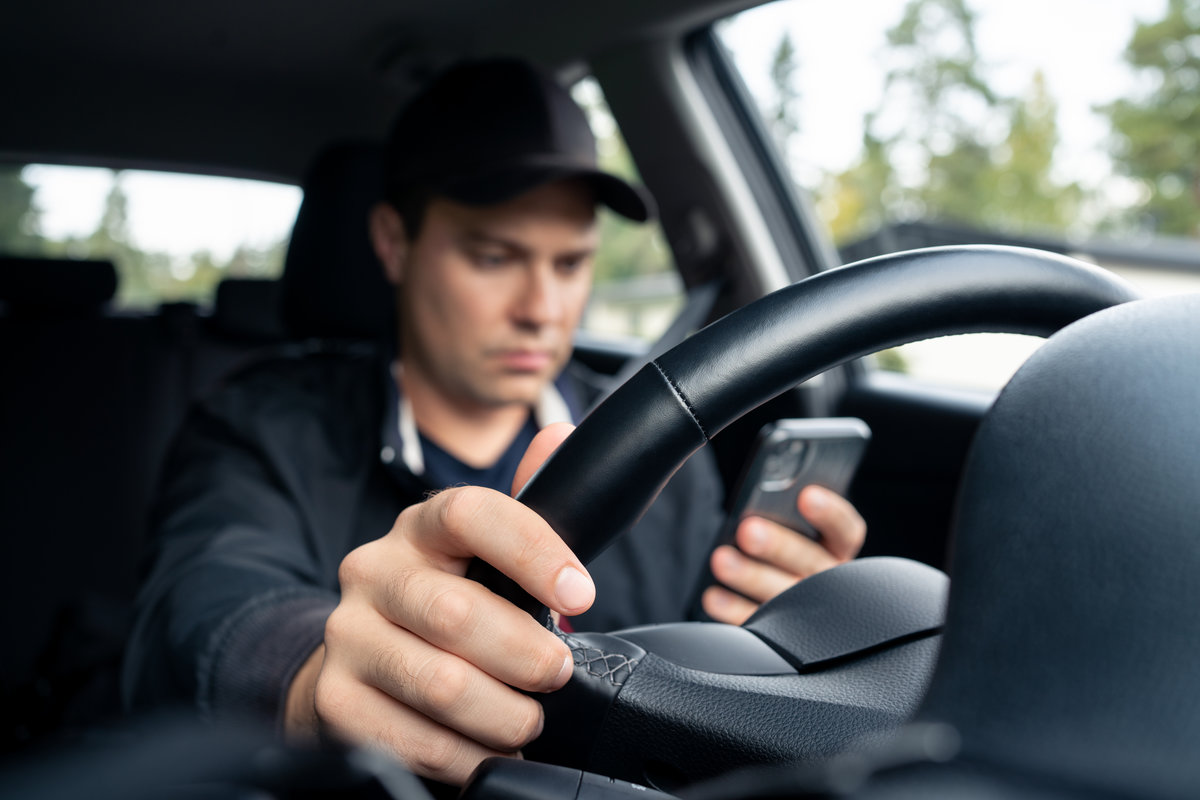
South Bend is a growing city with a busy rideshare market, particularly around the University of Notre Dame, downtown entertainment districts, and the South Bend International Airport. That volume of rides creates real risk. Rideshare drivers are independent contractors who may be fatigued from long shifts, distracted by the app on their phone while navigating unfamiliar routes, or simply driving recklessly to reach the next fare.
South Bend roads can also present their own challenges. High-traffic corridors like US-31 and routes near the Notre Dame campus see consistent congestion, and the city has recorded troubling crash patterns in recent years, including hit-and-run incidents that have left victims without immediate recourse. When a rideshare driver is involved in a collision, the presence of a third-party app company adds layers of complexity that standard car accident claims simply do not have.
Understanding Rideshare Insurance Coverage
Uber and Lyft both carry insurance policies, but the coverage depends entirely on what the driver was doing at the moment of the crash. It is critical to understand how these coverage tiers work before interacting with any insurance adjuster, as companies will use any confusion about policy phases to limit your recovery.
How the Coverage Phases Work
When a driver has the app off, only their personal auto policy applies. When the app is on but no ride has been accepted, Uber and Lyft provide limited contingent liability coverage. Once a ride is accepted and the driver is en route or carrying a passenger, the companies’ full $1 million liability policies become active — but even then, claims teams will look for reasons to reduce payouts.
Why Coverage Still Gets Disputed
Even when a $1 million policy is technically in play, these companies employ claims teams whose job is to find reasons to reduce what they pay. They may argue about the driver’s status at the time of the crash, challenge the severity of injuries, or delay the process long enough to pressure injured victims into accepting low settlements. Understanding how rideshare companies operate in Indiana is critical to protecting your right to a fair recovery.
The claims process is further complicated because injured parties may have claims against the rideshare company’s insurer, the driver’s personal insurer, and potentially other at-fault drivers simultaneously. Navigating these overlapping policies requires thorough legal knowledge and aggressive advocacy on your behalf.
Why These Cases Require Serious Legal Representation
Rideshare accident claims involve corporate defendants with significant legal resources. Uber and Lyft have faced extensive litigation over driver liability, and they have honed strategies to limit their exposure. According to the National Highway Traffic Safety Administration’s Fatality Analysis Reporting System, motor vehicle crashes remain a leading cause of serious injury and death nationwide, and rideshare-related collisions add a unique layer of liability complexity that demands skilled legal counsel.
When injuries are catastrophic — spinal damage, traumatic brain injury, broken bones, or internal trauma — the stakes are too high to navigate alone. Our attorneys are prepared to investigate the crash thoroughly, obtain the driver’s trip records and app data, work with medical professionals to document the full scope of your injuries, and build a case for the maximum compensation available. Our case results reflect a long history of multi-million dollar recoveries in complex motor vehicle cases across Indiana.
Why Choose Wagner Reese LLP for Your South Bend Rideshare Case
Wagner Reese LLP is not a volume firm. We are selective about the cases we take on, focusing on clients who have suffered catastrophic harm at the hands of negligent parties — because we believe that level of focus is what serious cases demand. Our founding partners, Stephen Wagner and Jason Reese, have each been honored with Trial Lawyer of the Year recognition, Leadership in Law awards, and Top 50 designations by prestigious legal organizations.
A Firm Built for High-Stakes Litigation
Our attorneys bring a combined 150+ years of legal experience to each case. Every attorney at our firm holds continuous recognition from Super Lawyers and Best Lawyers, reflecting the caliber of work we bring to complex, high-value litigation. We work on a contingency basis, meaning our clients never pay out of pocket — our fee comes from the settlement we secure on their behalf, and we offer a lower contingency rate than most of our competitors.
Decades of Results for Indiana Injury Victims
Wagner Reese has built a proven track record of multi-million dollar recoveries in cases involving catastrophic motor vehicle injuries, and that same standard of representation applies to every rideshare case we accept. We handle cases throughout Indiana, and our team is ready to put that experience to work for injured South Bend rideshare accident victims. A look at our recent news coverage further illustrates our reputation as a firm that takes on cases other firms won’t.
Contact Wagner Reese LLP After a South Bend Rideshare Accident
The window to preserve critical evidence in a rideshare accident is narrow. App data, driver records, and witness accounts can disappear quickly, and the insurance clock is already running from the moment of the crash. Reaching out to Wagner Reese LLP as soon as possible gives our attorneys the best opportunity to build the strongest case on your behalf.
If you or someone in your life was injured in an Uber or Lyft accident in South Bend, we are ready to help. Contact us today to speak with a member of our team about your case.
