






Navigating the complexities of personal injury law can be daunting, especially when dealing with premises liability cases. These cases arise when someone is injured due to unsafe conditions on another’s property. Premises liability attorneys in Bloomington are crucial in these situations, as they possess the experience to assess the circumstances of an injury and determine the property owner’s responsibility.
Property owners have a legal obligation to maintain a safe environment for visitors, whether on residential or commercial property. When these obligations are neglected, resulting in injury, a premises liability lawyer can help victims seek compensation. This not only covers medical expenses but can also account for lost wages and pain and suffering, ultimately providing the support needed for recovery.
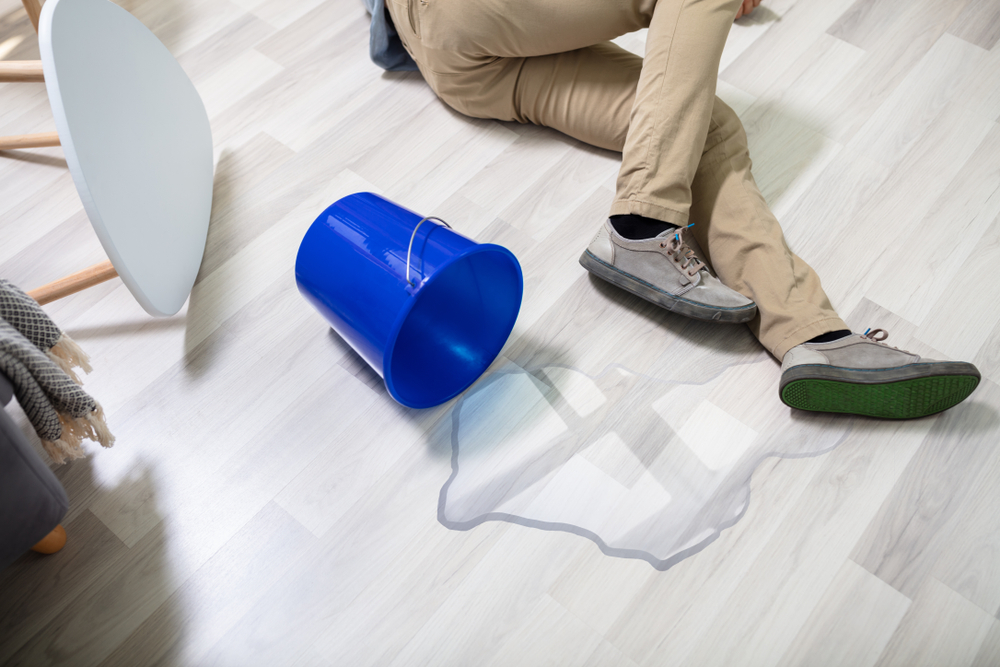
Premises liability cases can vary from slip and falls to inadequate security leading to harm. The role of a premises liability lawyer involves gathering evidence, speaking with witnesses, and building a strong case to help the injured party achieve justice. With the assistance of personal injury lawyers in Bloomington, IN, victims can navigate the legal system more effectively and pursue rightful compensation.
Understanding Your Rights and Responsibilities
Premises liability involves determining the accountability of property owners for injuries sustained by individuals on their property. Specific laws dictate these responsibilities, covering various scenarios and compensation avenues for victims.
The Legal Framework in Indiana
In premises liability cases, the legal status of a visitor can significantly impact the duty of care owed by the property owner. The visitor’s status typically falls into one of three categories: invitee, licensee, or trespasser. Here’s a brief explanation of each:
Invitee
An invitee is someone who enters the property for a purpose that benefits both the visitor and the property owner, usually in a business context. Examples include customers in a store or clients in an office.
Property owners owe the highest duty of care to invitees. This includes regularly inspecting the property for hazards, promptly addressing any dangerous conditions, and warning invitees of any known risks.
Licensee
A licensee is someone who enters the property for their own purpose or as a social guest, with the property owner’s permission. Examples include friends or family members visiting someone’s home.
Property owners owe a moderate duty of care to licensees. They must warn licensees of any known dangerous conditions that the licensee is unlikely to discover on their own. However, there is generally no obligation to inspect the property for hazards or to repair known dangers.
Trespasser
A trespasser is someone who enters the property without the owner’s permission or legal right. This could include someone who cuts through a yard without consent or a burglar.
Property owners owe the lowest duty of care to trespassers. Generally, they only need to refrain from willfully or wantonly causing harm. However, if the property owner is aware of frequent trespassing, they may have a duty to warn of hidden dangers or take reasonable steps to prevent harm.
These distinctions help determine the level of responsibility a property owner has in ensuring the safety of visitors and can influence the outcome of premises liability cases.
Types of Premises Liability Cases
Premises liability cases cover a wide range of situations where individuals are injured due to unsafe or defective conditions on someone else’s property. Here is a list of common types of premises liability cases:
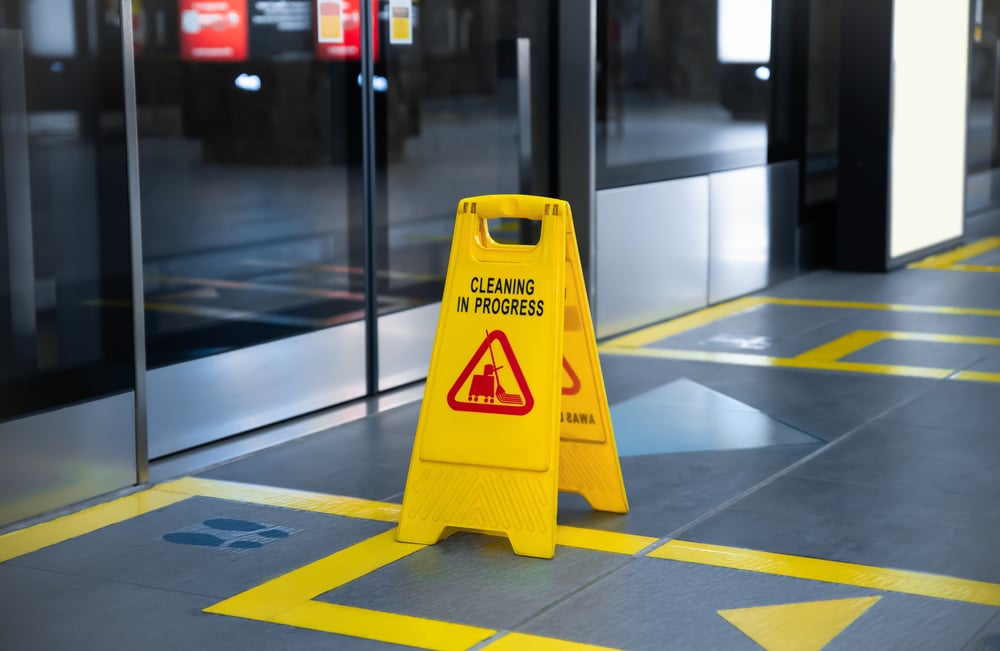
- Slip and Fall Accidents: Occur when someone slips, trips, or falls due to hazardous conditions like wet floors, uneven surfaces, or poorly maintained walkways
- Trip and Fall Accidents: Similar to slip and falls but specifically involve tripping over obstacles like loose carpeting, debris, or uneven flooring
- Snow and Ice Accidents: Involve injuries due to uncleared snow or ice on sidewalks, driveways, or parking lots
- Inadequate Maintenance: Cases where injuries occur due to the property owner’s failure to maintain the premises, such as broken stairs, malfunctioning elevators, or poor lighting
- Defective Conditions: Involve injuries caused by structural defects or unsafe conditions, such as collapsing ceilings, faulty wiring, or broken handrails
- Inadequate Security: Cases where injuries result from criminal acts (such as assaults or robberies) due to insufficient security measures, like inadequate lighting, broken locks, or lack of security personnel
- Swimming Pool Accidents: Involve injuries or drownings due to unsafe conditions around swimming pools, such as lack of fencing, slippery surfaces, or lack of supervision
- Dog Bites and Animal Attacks: Occur when someone is injured by a dog or other animal on the property, often due to the owner’s failure to restrain the animal
- Toxic Exposure: Involve exposure to hazardous substances like mold, asbestos, lead, or chemicals that cause illness or injury
- Elevator and Escalator Accidents: Include injuries resulting from malfunctioning or poorly maintained elevators and escalators
- Fires and Explosions: Cases where injuries occur due to fire hazards, faulty wiring, or explosions on the property
- Falling Objects: Involve injuries caused by objects falling from shelves, buildings, or other elevated areas
- Amusement Park Accidents: Include injuries sustained on rides or attractions due to operator negligence or equipment failure
- Construction Site Accidents: Include injuries to visitors or passersby due to unsafe conditions or activities on construction sites
Each type of premises liability case involves specific legal considerations and duties of care, which can influence the outcome of any legal claims.
Pursuing Compensation for Injuries
Victims of premises liability incidents may seek compensation by filing personal injury claims. This process involves proving that the property owner was negligent and that this negligence directly caused the injury.
Compensation can cover medical expenses, lost wages, and other damages related to the injury. Working with a lawyer experienced in Indiana’s premises liability laws is crucial for navigating the complexities of these cases.
Legal representation enhances the chances of securing compensation through negotiations or court proceedings.
Why Partner with Wagner Reese, LLP
Wagner Reese, LLP is dedicated to protecting victims through comprehensive services built on a robust track record. Our experienced team of Bloomington injury lawyers, personalized client service, and strategic advocacy make us a leading choice.
Our Indiana Premises Liability Law Firm is Committed to Helping Victims
Wagner Reese, LLP is known for our personalized client service. We prioritize understanding each client’s unique needs and circumstances. By fostering open communication, we ensure clients are informed at every step. This approach builds trust and offers peace of mind to those navigating the complexities of premises liability law. Our dedication to client satisfaction distinguishes us in the legal landscape.
If you need a premises liability lawyer, contact Wagner Reese online or by phone at (888) 204-8440 for a free consultation.
