Key Takeaways
- Broken hips are especially dangerous for adults over 50, with older adults facing significantly higher mortality rates within the first year.
- Age-related factors like osteoporosis, frailty, reduced muscle mass, and pre-existing conditions increase the risk of fractures and complications.
- Common complications include immobility, infections, heart failure, stroke, and pneumonia, often leading to extended recovery or death.
- Recovery may take 6–12 months and often requires surgery, physical therapy, and sometimes residential care.
- Legal help is critical when negligence causes a hip fracture, as compensation can cover medical expenses, lost wages, pain and suffering, and loss of consortium.
A broken hip isn’t just a fracture – it represents a catastrophic injury and critical health risk, especially as we age.
Discover the severity and potential risks of broken hips and learn how Wagner Reese, LLP can help protect your rights.

At What Age Is a Broken Hip Life-Threatening?
A broken hip can be a very serious injury. As you get older, the risk of suffering a hip fracture increases substantially. Studies have shown that a third of adults aged over 50 years die within 12 months of suffering a hip fracture. Older adults’ chance of dying within the first three months of a hip fracture is five to eight times higher than younger individuals.
Why is a Hip Fracture So Dangerous?
Hip fractures are life-threatening for elderly patients because they trigger a cascade of serious medical complications. Studies show that 20-30% of elderly patients die within one year of breaking a hip, making it one of the most dangerous injuries for seniors.
The danger comes not from the bone fracture itself, but from the complications that follow:
Broken Hip Recovery Time
Since full recovery from a hip fracture often takes six months to one year, there is a significant reduction in a person’s quality of life and an increasing dependency on others. Young adults can often see recovery times on the shorter side. For the elderly, this can end up taking much longer than usual.
Some patients are obliged to move out of their homes and into residential care facilities. The longer recovery time for an elderly person combined with decreased morale contributes to the poor outcomes of a hip fracture after age 65.
What Are the Risk Factors for Hip Fractures?
While hip fractures can occur in any individual, they are most common in individuals who meet the following criteria. Higher risk factors of a hip fracture are also associated with an increased risk of death.
Age
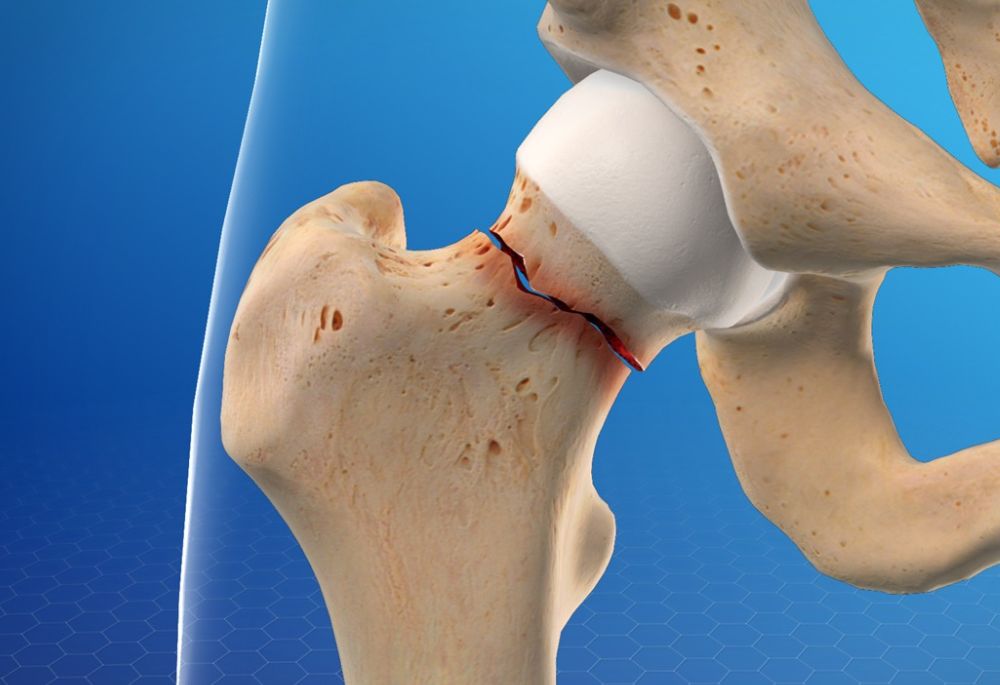
Broken hips are more likely to occur to those over the age of 65. This vulnerability stems from several age-related changes. Bone density naturally declines, making bones weaker (osteoporosis). Muscle mass also diminishes, impacting balance and coordination. Falls become more likely, and weaker muscles offer less protection during a fall, concentrating the impact on the hip, increasing the risk of femoral neck fractures and femoral head fractures.
Additionally, pre-existing health conditions like arthritis or heart disease, more common in older adults, can further limit mobility and increase fall risk. Reduced mobility after a fall can lead to complications like blood clots. Strength training and calcium-rich diets can help maintain bone density, reducing the likelihood of severe fractures.
Broken Hip After 80
For those over 80, the risk of complications and mortality following a hip fracture escalates significantly. Here’s a short list of contributing factors:
- Frailty Syndrome: This age-related condition weakens bones and muscles, reduces stamina, and increases fall risk.
- Weakened Immune System: The body’s ability to fight off infections diminishes with age, making post-surgical complications more likely.
- Delayed Recovery: Healing time tends to be longer for older adults, leading to increased complications from prolonged immobility.Patients with broken hips should be treated as orthopedic emergencies. Delayed surgery can lead to severe complications and higher mortality rates.
These factors combined paint a concerning picture for those over 80 who experience a hip fracture.
Increased risk of falling
Several factors may cause falls. Poor vision, trip hazards, frailty, and medication side effects can all contribute to elderly people falling and sustaining injuries. Dementia is also often cited as increasing the risk of falls.
Bone fragility
Osteoporosis, which is recognized as exhibiting degradation of bone tissue and low bone mass, is another factor in hip fractures, particularly in older women. One in three women and one in five men sustain fractures because of bone fragility. Because this chronic disease increases the chances of fractures and broken bones, it has been led to death in many cases.
Prior fractures
Previous fractures are also cited as an increased risk factor for future fractures. Research shows that roughly 30% of people with hip fractures have suffered a previous fracture—the heightened chance of experiencing a second fracture after your first one persists for up to 10 years.
An Increased Risk of Death
Most people who suffer a hip fracture undergo surgery, and sometimes a prosthetic device must be implanted. This procedure will usually require weeks or even months of physical therapy. Hip fracture surgery in the United States can cost tens of thousands of dollars in the U.S.
Why Hip Fractures Lead to Death:
• Blood clots (DVT/Pulmonary Embolism) – Extended bed rest after surgery dramatically increases the risk of deadly blood clots traveling to the lungs
• Pneumonia – Immobility and shallow breathing during recovery make elderly patients highly susceptible to lung infections
• Surgical complications – Anesthesia and surgery carry elevated risks for patients with pre-existing conditions
• Rapid muscle loss – Seniors lose muscle mass quickly during hospitalization, often never regaining previous mobility
• Pressure ulcers (bedsores) – Bed-bound patients develop dangerous skin breakdown that can become infected
• Worsening chronic conditions – Hip fractures often accelerate dementia, diabetes, and heart disease
• Depression and cognitive decline – Loss of independence frequently triggers mental health deterioration
• Infection – Surgical site infections and UTIs are common post-operative complications
Hip Fracture Death Statistics:
• 20-30% of elderly hip fracture patients die within one year
• 50% of seniors never regain their previous level of function
• 25% require long-term nursing home care after a hip fracture
• Risk of death is highest in the first 3-6 months after injury
Ways to Improve Outcomes
Controlling post-surgery pain and symptoms, increasing independence, and providing prompt care is vital to improving patient outcomes.
Focus on mobility:
Patients should receive treatment aimed at restoring mobility. This may take the form of exercises to improve the range of motion, aquatic therapy, and strength and resistance exercises. Therapy should also include gait and balance exercises.
Even if a patient doesn’t undergo surgery following a hip fracture, therapy is necessary to get them moving and avoid the deadly complications of being immobile.
Diligent care:
Case management is also critical to achieving good outcomes. Poor surgical wound care is a significant factor in death among hip fracture patients. This can be the result of poor aseptic standards and mismanagement of soft tissues known to cause sepsis.
Timely treatment:
Patients with broken hips should be treated as orthopedic emergencies. Delayed surgery can lead to severe complications and higher mortality rates.
The Importance Of Seeking Legal Help
A broken hip caused by negligence can have devastating consequences, leading to extended hospitalization, lost wages, and even death. In such cases, seeking legal help can be critical in securing the compensation you or your loved one deserves.
An attorney can make a significant difference by:
- Establishing Liability: They’ll investigate the cause of the fall, gathering evidence to prove negligence in premises liability cases. This might involve witness statements, video footage, or safety code violations.
- Calculating Damages: Legal professionals will accurately assess all your losses, including medical bills, physical therapy, lost wages, and future medical needs.
- Fighting for Maximum Compensation: Insurance companies often undervalue claims. A lawyer helps negotiate to secure a fair settlement that reflects the full impact of the injury.
- Going to Trial (if necessary): If negotiations fail, your attorney will represent you in court, presenting evidence and arguing for the compensation you deserve.
Overall, having seasoned injury claim lawyers by your side is critical in securing the compensation you or your loved one deserves.
Possible Compensation from Injury Claims
If a broken hip resulted from negligence, filing a personal injury claim can help recover damages associated with the injury and its aftermath. Compensation can include:
- Medical Expenses: Coverage for all past and future medical bills related to the broken hip, surgeries, rehabilitation, and any complications that arise.
- Lost Wages: Reimbursement for wages lost due to the injury and the time it takes to recover.
- Pain and Suffering: Compensation for the physical and emotional distress caused by the injury.
- Loss of Consortium: Compensates a spouse for the loss of companionship and support due to the injured person’s limitations.
Finally, in case of death, surviving family members (spouse, children, parents) may be eligible for compensation through a wrongful death claim for the loss of financial support and emotional distress caused by their loved one’s death.
Consult an Attorney if a Family Member Breaks a Hip
If a family member has died due to a hip fracture, seek legal advice as soon as possible. Their death may have been avoidable. Perhaps they received the wrong treatment, or the proper treatment was not given promptly. If they did not receive the expected level of care, you might have a compensation claim.
You may also be able to file damages if their broken hip was caused due to the negligence of another party after car accidents, nursing home neglect, poor medical management, or complications from underlying medical conditions. Contact the Indiana personal injury lawyers at Wagner Reese to arrange a free consultation to discuss your case and seek support during this challenging time.