Key Takeaways
- Use high beams on rural roads, open highways, construction zones, and poorly lit areas to improve visibility.
- Turn off high beams within 500 feet of oncoming vehicles, at intersections, curves, uphill, and in fog to avoid blinding others.
- Misusing high beams can cause accidents and lead to legal liability under Indiana law.
- Evidence like accident reports and witness statements is crucial to prove if high beam misuse caused a crash.
- If involved in a related accident, consult an Indianapolis car accident lawyer to protect your rights and build your claim.
Knowing when to use your high beams while driving is crucial for your safety and the safety of others on the road. High beams are designed to provide better visibility in low light conditions, but misusing them can lead to accidents and potential liability.
In most cases, you should only turn on high beams when driving in rural areas with little to no other traffic. Failing to use high beams when needed or turning them off when approaching another driver can cause a collision. Understanding when to use your high beams is vital to keeping yourself and others safe on the road.

What High Beams Headlights Can and Can’t Do
High beams, or brights, are designed to provide greater illumination and visibility while driving in low-light conditions, such as at night or in inclement weather. They emit brighter, more intense light that directs light farther and higher than low beams. This allows drivers to see an extended distance ahead, typically about 300 to 500 feet, to improve visibility.
While high beams help motorists when driving at night, they can be a liability for drivers. The light from your high beams causes glare for other motorists, reducing their ability to see the road. This can cause swerving, sudden braking, or the inability to see obstacles like guard rails, other cars, animals, or signposts, leading to a crash.
When to Use Your High Beams Headlights
There are several driving scenarios where turning on your lights can improve your safety on the road. Use your high beams in the following situations:
- Rural or unlit roads: High beams can be helpful on rural roads or roads with little to no street lighting. They can help you see farther ahead, allowing you to spot potential hazards such as animals, pedestrians, or debris.
- Open highways: Using high beams on open highways with considerable distance between vehicles can help you maintain a clear view of the road and the surrounding area. However, always remember to switch back to low beams when approaching other vehicles.
- Construction zones: When driving through construction zones at night, high beams can help you better see the road markings, barriers, and construction equipment. Be cautious and switch to low beams when workers or other drivers are nearby.
- Poorly lit intersections: Using your high beams momentarily at poorly lit intersections with no oncoming vehicles or pedestrians can improve visibility and help you safely navigate the area.
- Spotting road signs: High beams can help you see road signs and directions more clearly in low-light conditions such as rain or poorly lit areas. Using them momentarily can ensure you don’t miss important information while driving.
When to Turn Your Brights Off
When using your brights, you must know when to turn them off to avoid impairing another driver’s vision. You may be liable for the collision if you misuse your high beams and cause an accident.
Turn off or avoid using your high beam headlights in the following situations:
- When cars approach you: If you see an oncoming vehicle, switch to low beams when the vehicle is within 500 feet of your car. This avoids blinding the other driver and prevents a potential crash.
- On curves: As you approach a turn, switch to low beams to avoid blinding oncoming traffic that the curve might hide.
- Going up hills: When driving uphill, the angle of your high beams may shine directly into the eyes of drivers coming down the hill. Since their beams don’t reach as far, switching to your standard lights can prevent a collision.
- At intersections and stop signs: Intersections require drivers to see clearly in all directions. To ensure you don’t blind other drivers, switch to low beams when approaching intersections and stop signs.
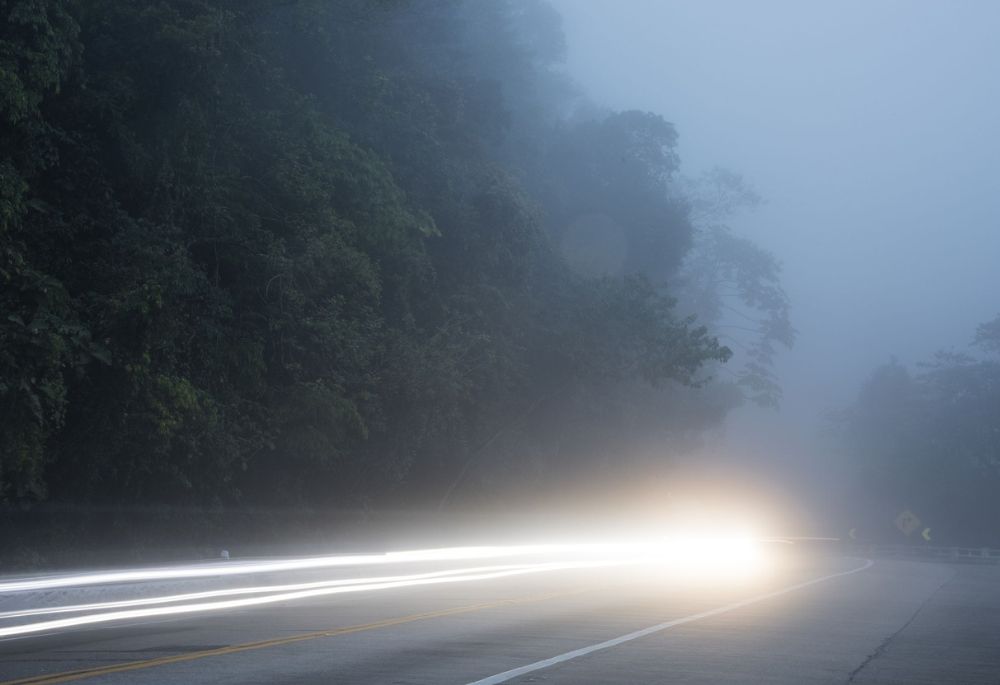
- In fog: Never use your high beams in foggy weather. In fog, light reflects off the moisture particles, creating a glare that heavily impairs vision. Use low beam headlights or special fog lights if your vehicle is equipped with them.
Legal Issues With High Beams
High beam usage can improve visibility, but when used improperly, it can create dangerous conditions for drivers. Bright headlights can temporarily blind other motorists, making it difficult for them to see the road or react to hazards. Misusing high beams isn’t just unsafe—it can also lead to legal consequences, especially if the improper use contributes to a crash.
Indiana law requires drivers to dim their high beams when approaching another vehicle. If a driver fails to do so and causes an accident, they may be held responsible for damages. A motorist who disregards this rule and creates unsafe conditions for others can face liability for medical expenses, lost wages, and vehicle repairs. These cases often require legal action to determine fault and secure compensation for those injured.
Insurance disputes frequently arise in accidents involving improper high beam usage. The driver at fault may attempt to shift blame or argue that other factors caused the collision. Proving that excessive glare contributed to a crash requires strong evidence, including witness statements, accident reports, and expert testimony. Without proper documentation, victims may struggle to recover damages.
Safe driving at night depends on responsible headlight use. Drivers should always be aware of when to switch between low and high beams. Ignoring these basic rules can lead to accidents and complex legal battles. Some situations, like foggy weather, require even greater caution. Instead of using high beams in fog, drivers should rely on low beams or specialized lights to safely drive in the fog.
If you have been involved in an accident where high beam misuse played a role, working with an experienced Indianapolis car accident lawyer can help protect your legal rights. At Wagner Reese, we fight for victims affected by negligent drivers and headlight-related crashes. We can guide you on whether the car’s high beams played a role in the accident and if that can be used in your claim. Several factors need to be considered, including the exact distance of the other vehicle from you and the road conditions. Drivers often need to use their high beams in low visibility conditions when they can’t see the road ahead.
Drive Safely and Know When to Use High Beams
If you are involved in a collision due to the improper use of high beams, the Indiana car crash attorneys at Wagner Reese can help you get compensation. Our skilled attorneys will investigate your accident to determine if another driver’s high beam use caused your crash and seek a settlement from their insurer.Contact our legal team today for a free case review to learn your legal options.