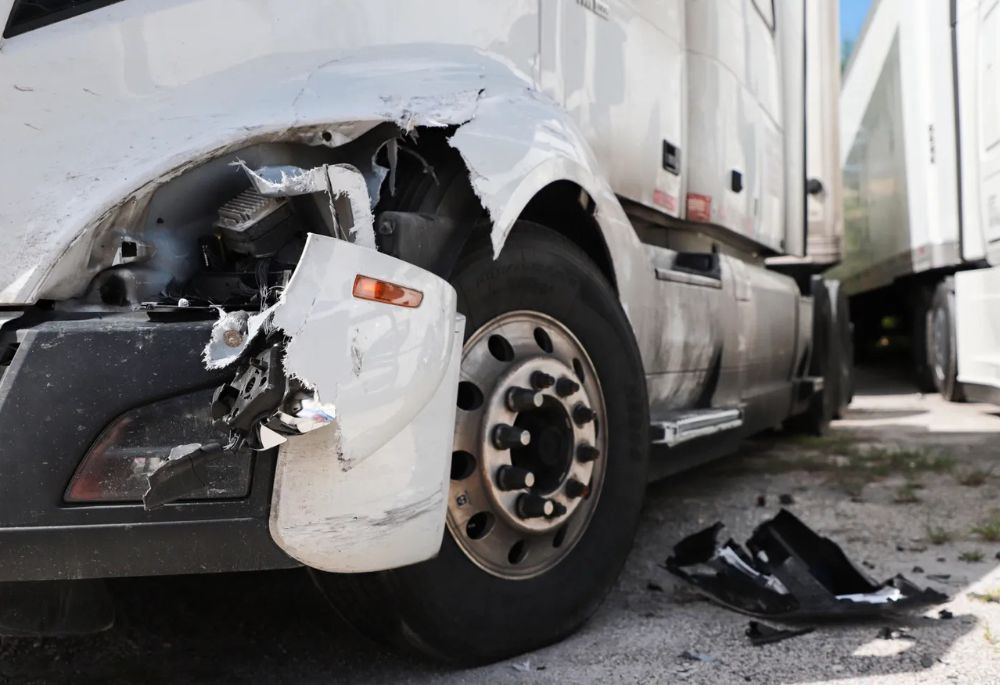
Collisions with commercial trucks, delivery vans, or other large vehicles create chaos and confusion that can overwhelm even the most level-headed people. The actions you take in the critical minutes and hours following such crashes can significantly impact your ability to recover the compensation you deserve for your injuries and losses.
Wagner Reese LLP has been representing injured individuals and their families throughout Indiana since 1997. Our truck accident attorneys have recovered over $300 million for clients while earning recognition from Super Lawyers®, The Best Lawyers in America©, and U.S. News & World Report. We understand that commercial vehicle accidents involve unique complexities that require immediate and strategic action to protect your legal rights.
Immediate Actions at the Accident Scene
Your first priority after any collision is ensuring safety and obtaining medical care. Stop your vehicle in a safe location away from traffic if possible, turn on hazard lights, and check yourself and passengers for injuries. Call 911 immediately to report the accident and request medical assistance for anyone who is injured or trapped. Follow the dispatcher’s instructions carefully.
Indiana law requires drivers to report accidents that result in injury, death, or property damage exceeding $1,000. Commercial vehicle accidents almost always meet these reporting thresholds, given the size and weight of trucks and the severity of resulting damage. Police documentation of the scene becomes critical evidence in subsequent legal proceedings.
Remain at the scene until law enforcement arrives and completes their investigation. Leaving the scene of an accident can result in criminal charges ranging from misdemeanors to felonies, depending on whether the crash caused injuries or death. Provide officers with factual information about what happened, but avoid speculating about causes or accepting blame for the collision.
Gathering Critical Evidence and Information
Exchange information with the commercial vehicle driver and any other involved parties. Obtain the truck driver’s name, contact information, driver’s license number, and commercial driver’s license details. Get the trucking company’s name, address, and insurance information. Document the truck’s license plate number, vehicle identification number, and DOT number displayed on the vehicle.
Take photographs and videos of the accident scene from multiple angles if you are physically able to do so safely. Capture vehicle positions, damage to all vehicles involved, skid marks, debris patterns, traffic controls, weather conditions, and road conditions. Photograph the truck’s company information, license plates, and any visible damage or defects. These visual records preserve evidence that may disappear once vehicles are moved and repairs begin.
Identify and speak with witnesses who saw the accident occur. Obtain their names and contact information while they are still at the scene. Witness testimony often proves crucial in establishing how accidents happened and who bears responsibility. Commercial trucking companies and their insurers work aggressively to minimize liability, making independent witness accounts particularly valuable.
Seeking Medical Attention and Documenting Injuries
Seek medical evaluation as soon as possible after the accident, even if you do not believe you are seriously injured. Adrenaline and shock can mask pain and symptoms of significant injuries. Some serious conditions, including internal bleeding, traumatic brain injuries, and spinal damage, may not produce immediate obvious symptoms but require urgent treatment.
Follow all treatment recommendations from healthcare providers and attend all scheduled appointments. Keep detailed records of all medical care you receive, including emergency room visits, hospital stays, surgeries, physical therapy, and follow-up appointments. Save all medical bills, prescription receipts, and documentation of out-of-pocket medical expenses.
The connection between your injuries and the accident must be clearly established for insurance and legal purposes. Delays in seeking treatment or gaps in medical care allow insurance companies to argue that injuries resulted from other causes or were not as serious as claimed. Prompt and consistent medical documentation creates a clear record linking injuries to the collision.
Understanding Federal Regulations and Commercial Driver Requirements
Commercial vehicle accidents differ significantly from standard car accidents due to extensive federal and state regulations governing the trucking industry. The Federal Motor Carrier Safety Administration oversees commercial trucking operations and requires companies to maintain detailed records, including driver logs, maintenance records, and accident registers for all crashes involving fatalities, injuries requiring immediate medical treatment away from the scene, or vehicles towed from accident scenes.
FMCSA regulations require mandatory drug and alcohol testing of commercial drivers after accidents meeting certain criteria. Any accident resulting in a fatality requires testing. Accidents causing injuries or disabling vehicles when the truck driver receives a citation also mandate testing within eight hours for alcohol and 32 hours for controlled substances. These testing requirements can provide important evidence in your case.
Commercial drivers must comply with hours of service regulations limiting how long they can drive before taking required rest breaks. Violations of these rules contribute to driver fatigue, which causes many serious truck accidents. Your attorney can obtain driver logs and electronic logging device data to determine whether the truck driver exceeded legal driving limits before the crash.
The Importance of Legal Representation in Commercial Vehicle Cases
Commercial vehicle accident cases involve complex liability issues often implicating multiple parties, including truck drivers, trucking companies, maintenance contractors, cargo loaders, and vehicle manufacturers. Understanding truck accident statistics reveals the serious nature of these collisions and the need for thorough legal investigation.
Experienced attorneys have the resources to conduct comprehensive investigations including obtaining and analyzing electronic logging device data, driver qualification files, vehicle maintenance records, and company safety policies. We work with accident reconstruction experts, trucking industry specialists, and medical professionals who provide testimony establishing liability and documenting the full extent of damages.
Indiana follows a modified comparative fault system that bars recovery if you are found more than 50 percent at fault for accidents. Trucking companies employ sophisticated legal strategies to shift blame to other drivers. Having skilled legal representation levels the playing field and ensures your rights are protected throughout the process.
Get Help from Experienced Indiana Commercial Vehicle Accident Attorneys at Wagner Reese LLP
If you or someone you love has been injured in an accident with a commercial vehicle, prompt legal action is essential to protect your rights and maximize your recovery. The complexities of federal trucking regulations, multiple potentially liable parties, and aggressive insurance tactics make these cases particularly challenging to handle without experienced representation.
Our legal team has the knowledge, resources, and proven track record to take on trucking companies and their insurers. Contact our office today to schedule a free consultation with an Indiana commercial vehicle accident lawyer who will evaluate your case and explain your legal options.