Key Takeaways
- Large trucks have significant blind spots (“no-zones”) on all four sides, especially on the right.
- Stay out of blind spots, keep safe following distance, and pass quickly on the left.
- Trucks need more room for braking, turning, and lane changes—avoid cutting them off.
- Many truck crashes involve driver fatigue, poor maintenance, or blind spot errors.
- Liability in truck accidents can fall on drivers, trucking companies, or even government agencies.
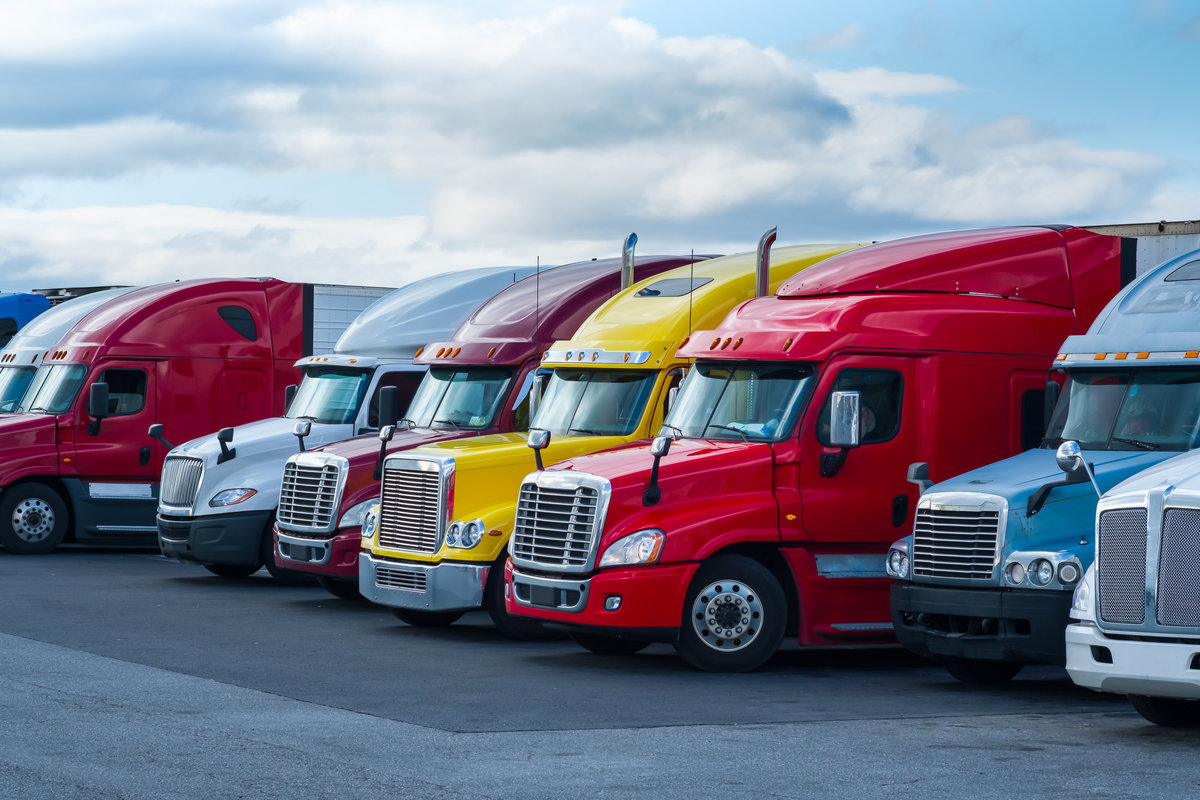
No one wants to get into an accident with a semi-truck when driving on Indiana’s highways. These mammoth vehicles can weigh as much as 80,000 lbs. Due to their size and weight, big rigs take longer to slow and stop, make wider turns, and have larger blind spots than regular passenger vehicles, so maneuvering around them safely requires defensive driving.
Understanding the dangers of large trucks’ blind spots and how to navigate them can prevent dangerous accidents and help you arrive safely at your destination.

What You Need to Know About Truck Blind Spots
Understanding and respecting blind spots, known as “no-zones,” when driving near large trucks is crucial for road safety. Large trucks have larger blind spots than passenger vehicles due to their size and height. These blind spots are on all four sides of the truck:
- Front: Directly in front of the truck. The driver sits much higher than a driver in a passenger vehicle, creating a blind spot underneath them extending several meters in front of the truck.
- Rear: Directly behind the truck. Truck drivers can’t see your car when it’s immediately behind the truck because their rear-view mirrors don’t cover this area.
- Sides: Trucks have large blind spots along both sides. On the left, the blind spot runs from the truck’s front driver-side mirror to about the middle of the trailer. On the right, the blind spot is much larger, stretching from the truck’s front passenger-side mirror all the way back to the end of the trailer, and it extends across multiple lanes of traffic.
When a vehicle is in a big rig’s blind spot, the driver cannot see it in their mirrors. If the truck driver needs to change lanes or turn, they may not realize a car is in their blind spot, and a collision can occur. The larger the truck, the larger the blind spots.
When driving near a truck, drivers should either pass through these blind spots quickly or stay out of them altogether. Spend as little time as possible in these no-zones and ensure you can always see the truck driver in their mirror – if you can’t see the driver, they can’t see you!
Safety Tips When Driving Behind A Large Truck
Sharing the road with large trucks like semi-trucks or 18-wheelers requires heightened caution due to their size, blind spots, and maneuverability challenges. When driving next to large trucks, keep these safety tips in mind:
- Keep your distance: Large trucks require much more distance to stop, nearly 63 feet more than passenger vehicles do, when both are traveling at 55 mph. Keeping a safe following distance is critical since trucks require a longer braking distance to stop safely. If a truck suddenly brakes, drivers following too closely could be at risk. Stay at least four to five car lengths behind them. If they need to brake suddenly, this will give you enough time and space to react.
- Be aware of blind spots: Trucks have larger blind spots than cars. If you can’t see the truck driver’s reflection in their side mirrors, they can’t see you. Don’t drive in a blind spot; slow down or move ahead to stay visible.
- Pass quickly and safely: If you need to overtake a large truck, do it as quickly as is safely possible. Always pass on the left where the blind spot is smaller. Ensure you can see the entire cab in your rearview mirror before pulling in front of the truck. Avoid passing on a downgrade, where trucks tend to pick up speed.
- Don’t cut them off: When merging, be aware that trucks require more space. Don’t cut in front of a truck; they may not see you, and if/when they do, they need more time to slow down to avoid hitting you. When a truck is passing you, stay to the right and slow down. This allows them to pass safely and gets you out of their blind spot more quickly.
- Anticipate wide turns: Trucks require extra room to turn, especially when turning right. If a truck has its blinker on, don’t try to squeeze by it. When you stop at an intersection, never block the box because trucks need that space to complete turns safely.
- Stay visible: Keep your headlights on, especially during dusk and dawn. Your taillights are an important signal to truck drivers when you’re in front of them.
- Watch for truck signals: If a truck driver flashes their lights at you, they may be signaling that it’s safe to change lanes or merge.
- Be patient: Trucks have operating restrictions and sometimes use speed limiters. Driving aggressively and honking can cause dangerous distractions that lead to an accident.
- Passing a truck or other vehicles in the right lane requires caution, as visibility may be limited. To avoid crashes, drivers should complete passes quickly and ensure they are seen before merging back.
Being blocked in by a truck can be a stressful situation. Here are a few strategies that can help you:
- Stay calm: Panicking can lead to hasty decisions. Remain calm and evaluate your options.
- Do not tailgate: Don’t drive too close to the truck. Tailgating puts you in a blind spot. Because trucks are so high off the ground, if you stop abruptly or get hit by another vehicle from behind, your vehicle could slide under the truck with devastating consequences.
- Signal your intentions: Use your indicators to signal your intentions to other drivers.
- Avoid abrupt maneuvers: Abrupt maneuvers can cause you to lose control of your vehicle, especially at high speeds.
- Wait for an opportunity to pass: If you’re on a multi-lane highway, wait for a safe opportunity to pass the truck.
Potential Legal Implications of Truck Accidents
Driving safety behind trucks is important because these large vehicles can cause serious accidents. The differences between cars and trucks are significant, from size and weight to stopping distance and visibility. When an accident happens, figuring out who is responsible can be complicated.
Truck accident causes vary, but many crashes occur because of driver fatigue, distracted driving, or speeding. Truck drivers are required to follow strict regulations to keep roads safe, including limits on how long they can drive without rest. If a driver ignores these rules or operates a vehicle recklessly, they could be held responsible for the accident.
The legal implications of a truck accident are directly linked to the cause of the accident. If a truck suddenly stops or makes a wide turn, a nearby vehicle can be caught in a dangerous situation. If a crash happens because a truck driver failed to check their blind spots, liability may fall on them.
Poor truck maintenance also contributes to crashes. Worn-out brakes, damaged tires, and unsecured cargo can all cause deadly accidents. When a trucking company neglects these responsibilities, victims of crashes may be able to hold them legally accountable.
Truck drivers also play a role in road safety. If they were negligent, they could be held liable. A semi truck driver operating commercial trucks must always be aware of their surroundings, especially when sharing the road with smaller vehicles.
Road conditions can play a role in truck accidents, too. If a highway is not properly maintained and an accident occurs because of it, government agencies responsible for the road could share liability.
Legal battles following truck accidents often involve insurance disputes. Trucking companies and their insurers may attempt to reduce payouts or deny responsibility altogether. Victims can struggle to get the compensation they deserve without legal assistance.
How Wagner Reese, LLP, Can Aid in Accident Cases Involving Large Trucks
Truck accident cases often involve serious injuries due to the sheer size and weight of commercial trucks, making legal assistance essential. At Wagner Reese, LLP, we understand how devastating truck accidents can be and the complex legal issues that come with them. As a top Indianapolis car accident law firm, we work tirelessly to hold negligent parties accountable and help victims receive the compensation they deserve.
Our legal team investigates accidents thoroughly, gathering evidence to determine fault. This includes reviewing driver logs, truck maintenance records, and crash scene details. Whether the accident was caused by reckless driving, mechanical failure, or improper cargo loading, we build strong cases for our clients. We fight for fair compensation, ensuring victims receive financial support for medical treatment, lost income, and pain and suffering.
Some cases require courtroom representation. If negotiations do not result in a fair offer, our attorneys are prepared to take cases to trial. We are committed to protecting accident victims and making sure they are treated fairly under the law.
Truck accidents can be life-changing, but victims do not have to face the legal process alone. Wagner Reese, LLP, is ready to stand by your side, providing guidance and aggressive representation every step of the way.
Seek Legal Representation if You’re Injured in a Large Truck Crash
Defensive driving, such as maintaining a safe distance, can reduce your risk of a truck collision. However, accidents can still happen, especially if the other driver is fatigued, reckless, or driving under the influence of drugs or alcohol.If you or a family member is injured in a truck accident, our Indianapolis truck accident lawyers at Wagner Reese can help you seek a settlement from a negligent truck driver or trucking company. Contact our lawyers today to schedule a confidential consultation. Our truck accident attorney will review your claim for free and discuss your legal options for compensation.