

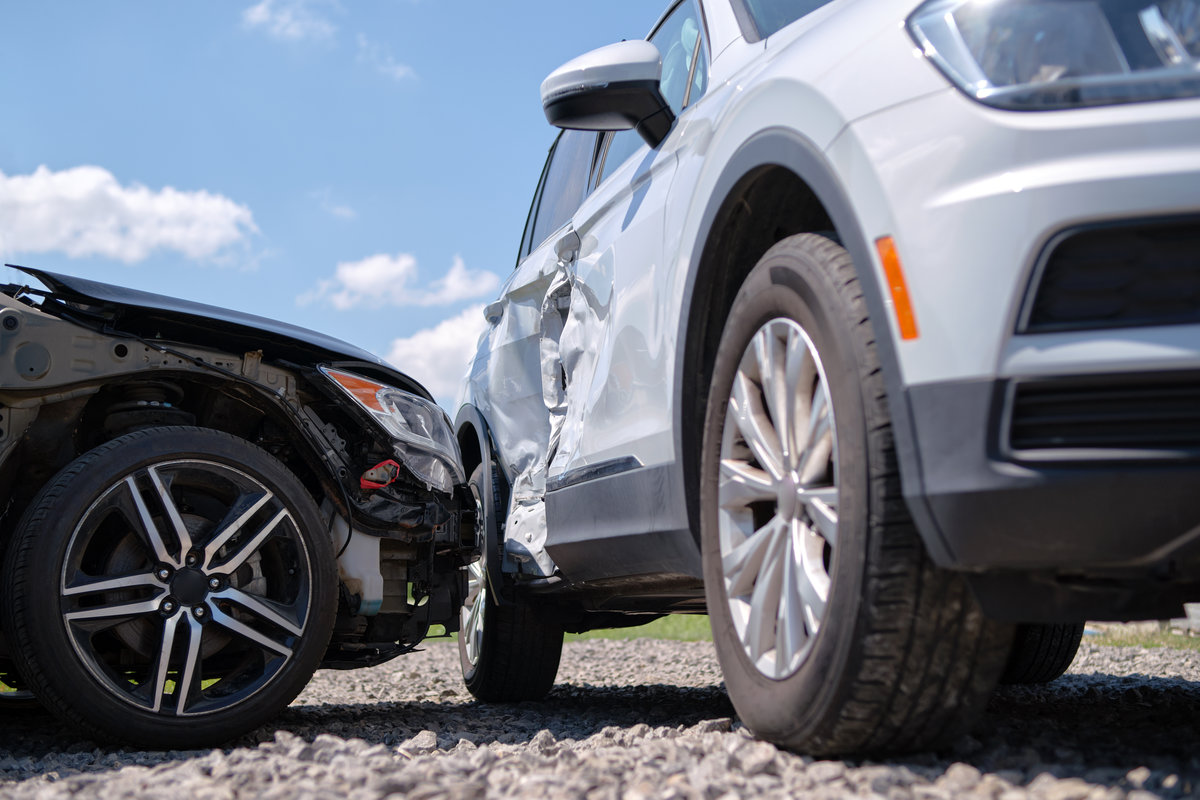
Every year, left turn accidents account for a disproportionate share of serious collisions at intersections across Indiana — and when one occurs, the question of fault is rarely as simple as it seems. A driver making a left turn is generally required to yield to oncoming traffic, but that does not automatically mean the turning driver is always to blame. Road conditions, signal timing, speeding, and distracted driving can all complicate the picture significantly.
If you or someone you love has been hurt in a left turn crash, understanding how fault is determined can be the difference between recovering the compensation you deserve and walking away with nothing. At Wagner Reese LLP, we have been representing injury victims across Indiana since 1997, and our attorneys have the experience needed to investigate the true cause of your accident and fight for your recovery. Recognized by Super Lawyers and Best Lawyers in America, our team is committed to pursuing justice for those harmed through someone else’s negligence.
The General Rule: Left-Turning Drivers Must Yield
Indiana law places a clear duty on left-turning drivers to yield to oncoming vehicles before completing their turn. Under Indiana Code § 9-21-8-28, a driver intending to turn left must yield the right-of-way to any vehicle approaching from the opposite direction that is close enough to constitute a hazard. When a left-turning driver fails to comply with this rule and a crash results, they will typically bear primary fault for the accident. You can explore more about how fault is established in reckless driving situations in Indiana, as violations of traffic laws frequently play a central role in liability determinations.
That said, Indiana follows a modified comparative fault system, meaning fault can be shared among multiple parties. A left-turning driver may still recover compensation as long as they are not found more than 50% at fault for the collision. The percentage of fault assigned to each driver directly reduces — or eliminates — any compensation they can receive, so the facts of each case matter enormously.
When the Oncoming Driver May Share Fault
There are several situations in which a driver who was struck by a left-turning vehicle may bear partial or even primary responsibility for the crash. Indiana courts and insurance adjusters look at the full picture, not just who was making the turn. Factors that may shift or share liability toward the oncoming driver include the following:
- Speeding: If the oncoming driver was traveling significantly above the posted speed limit, the left-turning driver may have had no reasonable way to anticipate the vehicle’s arrival time.
- Running a red light: A left-turning driver who proceeds on a green arrow has the right-of-way, and a driver who runs the opposing signal may be primarily at fault.
- Distracted driving: If the oncoming driver was texting, eating, or otherwise inattentive, their negligence can contribute to the crash.
- Failure to use headlights: In low-visibility conditions, an oncoming driver who was not using headlights when required may share responsibility for the collision.
Each of these scenarios requires careful investigation to establish what actually happened. Witness statements, traffic camera footage, and accident reconstruction analysis are all tools we use to build a complete picture of fault.
Gathering Evidence After a Left Turn Accident
The moments and days following a left-turn collision are critical for preserving the evidence needed to support your claim. Photos of the scene, vehicle positions, and signal faces should be taken as soon as possible. You should also request a copy of the police report, which will include the responding officer’s initial assessment of fault — though it is not the final word. Surveillance or traffic camera footage, if it exists, must often be obtained quickly before it is overwritten.
Witness information is equally valuable. Bystanders who saw the crash unfold, including how fast vehicles were traveling and whether any signals were ignored, can provide testimony that shapes the outcome of a claim. If the road conditions played a role — poor visibility, faulty signals, or inadequate signage — weather-related car accident liability principles may also apply and expand the pool of potentially responsible parties. Indiana law on turning left on red adds another layer of complexity worth understanding if the signal status at the time of your crash is in dispute.
Contact Wagner Reese LLP After a Left Turn Accident in Indiana
Left turn accidents often involve disputed facts, and insurance companies will use every available argument to minimize what they pay. Wagner Reese LLP has been advocating for seriously injured Hoosiers for nearly three decades, and our attorneys understand exactly how to build a case that holds the right parties accountable. Our track record of significant client recoveries across our practice areas reflects our commitment to fighting for every dollar our clients deserve.You do not have to face this process alone. If you or a family member has been hurt in a left turn crash anywhere in Indiana, we encourage you to reach out to our team as soon as possible. Contact us today to schedule a free consultation with Wagner Reese LLP.
