Key Takeaways
- Leaving the scene of any car accident in Indiana — even a single-vehicle crash with no other vehicle involved — is a violation of Indiana Code § 9-26-1-1.1.
- Failing to report a single-car accident can result in a denied insurance claim and a Class B misdemeanor charge for leaving the scene.
- If the accident causes bodily injury, leaving the scene can escalate to felony charges and jail time.
- Drivers must notify the owner of any property damaged in a single-car accident, including parked cars, guardrails, and private property.
- If another driver’s negligence caused you to swerve or crash, you may still have grounds to pursue compensation even though no other vehicle was directly involved.
Did you swerve off the road to avoid an animal? Perhaps you were daydreaming and swiped into the side of a parked car. Regardless, if you don’t stop, you could find yourself in trouble. Leaving a single-car accident scene may not seem like a big deal, but accident scene laws in Indiana could leave you in a serious legal predicament.
All drivers need to be aware of single-vehicle accident penalties and what they should do if they get into this type of car accident. Wagner Reese, LLP is a personal injury law firm that commonly handles car accident cases. In this blog post, we explain why you can’t just leave the scene of a single-vehicle accident and how an Indianapolis car crash attorney can help.
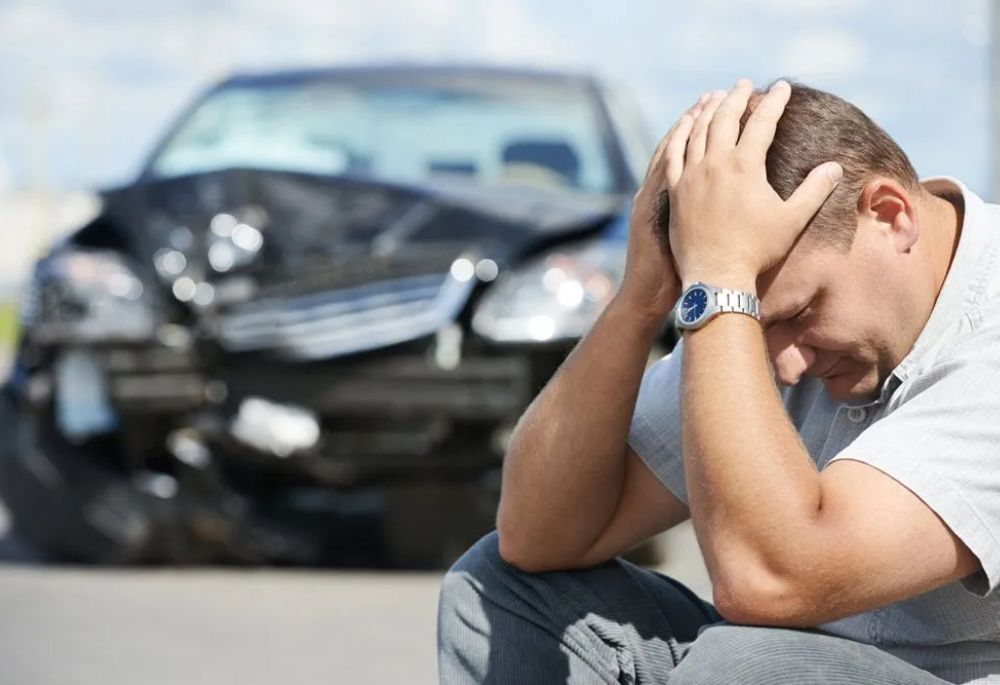
Legal Ramifications of Leaving the Scene of an Accident, No One Else Involved
While a single-vehicle accident involves only one vehicle in most scenarios, the most significant difference in a single-vehicle crash compared to another type of car accident is that there is only one driver. Whether you hit a parked car, a tree, or property, you will still need to report it and take the proper steps. Failing to do the right thing after a single vehicle accident could land you in hot water.
Issues with Insurance Claims
Insurance companies will not just take your word for it if you try to file insurance claims for property damage or an injury claim. They will need proof of your single vehicle accident, and if you just leave without reporting it, you may wind up having your claim denied.
Criminal Charges from a Hit and Run Accident
According to Indiana Code § 9-26-1-1.1, drivers can face serious legal consequences if they do not stop at the scene of a car accident. Even if you are in a single car accident with no other vehicle involved, you must take this step.
These days, it’s hard to escape the unblinking eyes of surveillance cameras and traffic cameras, which can tell the story of your single car accident. You don’t want to take that chance, as you’ll not only have an issue with your insurance company, but you’ll also face a Class B misdemeanor charge for leaving the scene. Fines and potential license suspension may be the result.
You might also later find that the structure or vehicle you thought was unattended when you collided with it in your single-car accident was occupied. Leaving the scene of an auto accident when there is bodily injury, particularly a catastrophic injury, will mean that you face felony charges and serve jail time. For these reasons, you must stop and follow the proper procedures after a single-car crash.
Common Scenarios Where Leaving the Auto Accident Scene Might Occur
Common examples of a one-car crash include:
Running Off the Road Into a Tree
In a single vehicle collision, a driver may lose control and run off the road, crashing into a tree. Distractions or slippery road conditions are often the cause, and in some cases, it may be due to attempting to avoid wildlife that has darted into the roadway. It can cause minor injuries or something far worse.
Hitting a Parked Car
There are significant legal consequences for hitting an unoccupied car. Although it may not be attended, you have legal obligations to notify that driver under Indiana Code § 9-26-1-1.1. If you can’t find the owner of the vehicle, you need to leave them your contact information or face serious consequences.
Crashing Into Public Property
When a driver swerves or loses control, they can hit a guardrail, street light, or utility pole. This damage could result in problems for the local infrastructure, and this property damage needs to be reported promptly in order to begin restoration efforts.
Colliding with Someone Else’s Property
Drivers who damage private property must also inform the owner. Whether the damage was a ding to the mailbox or significant, it must be reported.
Even if no one was hurt, including yourself, and you don’t think the damage was severe, leaving the scene of an accident is still a crime under the law. Hit and run charges could be applied in these scenarios, and drivers should follow what the law requires to avoid serious issues.
Single-car accident claims move fast — talk to someone before you talk to your insurer.
Wagner Reese has handled Indiana injury claims for nearly three decades. A free case review takes minutes and costs nothing to find out where you stand.
| ~30 yrsserving injured Hoosiers | $0fee unless we win | 24/7free case review |
Get My Free Case Reviewor call (888) 204-8440
No fee unless we recover compensation for you.
What Could Cause a Single Vehicle Accident?
These types of crashes are often caused by:
Distracted Driving
A driver who isn’t paying attention for any reason, such as texting, eating, or even daydreaming, is distracted and could wind up in an accident like this.
Mechanical Failures
A vehicle defect could lead to a one-car crash from faulty brakes or tire issues.
Road Hazards
Ice, heavy rain, potholes, and other hazards may lead to losing control of the vehicle.
Reckless Driving
A driver’s reckless behavior, such as speeding, could cause the accident. In other cases, some drivers may be trying to avoid these types of people, causing them to have a single-car accident of their own.
Legal Obligations of Drivers Involved in Any Type of Accident in Indiana
In order to avoid legal complications, you must remain on the scene of a single-vehicle accident. You will need to take several steps for the insurance company and to protect your legal rights, especially if you’ve caused property damage. Taking the proper steps can make a significant difference in the impact of this event.

Steps to Take if You Are Involved in a Single-Car Accident
The steps to follow after a car accident are essential to get right. Here is what you need to do after a single-car accident:
Stay Put and Assess the Scene
Leaving the scene of a single-car accident is considered a crime. Do not leave without following the legal requirements as stated by Indiana law mentioned previously.
Ensure Safety
Make sure you’re OK and that any passengers in your vehicle are safe, too. If the accident injured anyone, it is important to get medical attention right away.
Call the Local Police Department
You will need to inform the authorities of what happened to avoid a legal predicament. The police will arrive and create a police report, which will help you when contacting your insurance company for your claim.
Gather Evidence
Evidence is essential in proving what happened in the accident. Additionally, if another driver’s actions caused you to take evasive action that made you collide with a tree or property, or roll into a ditch, the evidence you capture can help you recover fair compensation of your own. Photos, videos, and statements from any witnesses can be critical in these situations.
Contact a Car Accident Lawyer
An experienced car accident attorney can advocate for you and negotiate with the insurance companies, especially if the other party wasn’t directly involved in the crash. Many drivers do not realize that the actions they take can have significant impacts on others. If someone behaved negligently and caused you to have a single-car accident, you will want to review your legal options.
How a Car Accident Lawyer Can Help You After a Single Vehicle Crash
Leaving the scene of an accident under any circumstances is a violation of Indiana law. Whether it was a single-car incident or involved occupied vehicles, all drivers need to do the right thing. Unfortunately, some drivers may be distracted, drunk, or just driving recklessly without concern for others. When they take these actions, they can cause another person to run off the road and have a serious accident.
In these circumstances, you may be left with medical bills and the need for future medical care to treat your injuries. Taking immediate action against the other party is encouraged to recover your financial losses.
Even if no one else caused you to go off the road, single-vehicle accidents can be complicated by other factors. It is in your best interests to speak with a car accident lawyer to determine the best course of action.
At Wagner Reese, LLP, we provide a free consultation to help you understand applicable laws and your legal rights. You may have a valid reason for seeking legal recourse even if your vehicle was the only vehicle involved in a crash. Contact us today to schedule this initial case evaluation and learn more about the next steps in the process.