If you have ever been driving down I-465 or another busy Indiana highway, you have probably seen someone slam on their brakes suddenly with no good reason. Maybe it was to scare the driver behind them, or maybe it was out of frustration during a moment of road rage. Either way, this act, known as brake checking, can be extremely dangerous and lead to collisions.
That raises a big question: Is brake checking illegal in Indiana? While you will not find the phrase “brake checking” written word-for-word in the Indiana Code, the law does cover this type of dangerous driving behavior under broader categories like reckless driving and aggressive driving.
If you or someone you love has been injured in a brake-checking accident, our top-rated Indiana car crash lawyers at Wagner Reese, LLP are here to represent you. We will find the evidence to prove liability and fight to recover the largest possible compensation for your injuries and losses.

What Is Brake Checking?
Brake checking happens when a lead driver intentionally slams on their brakes to scare or send a message to the rear driver. Some drivers do this to “punish” someone they think is following too closely, while others do it in anger as part of a road rage episode.
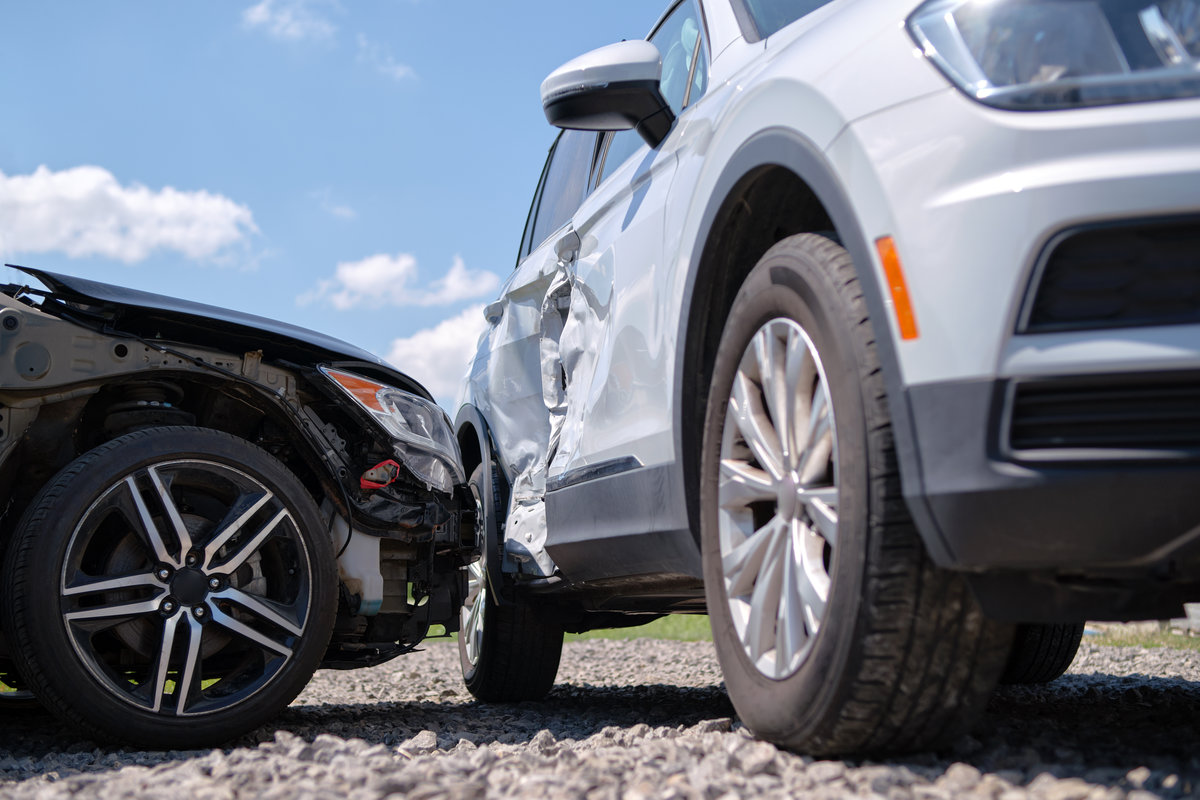
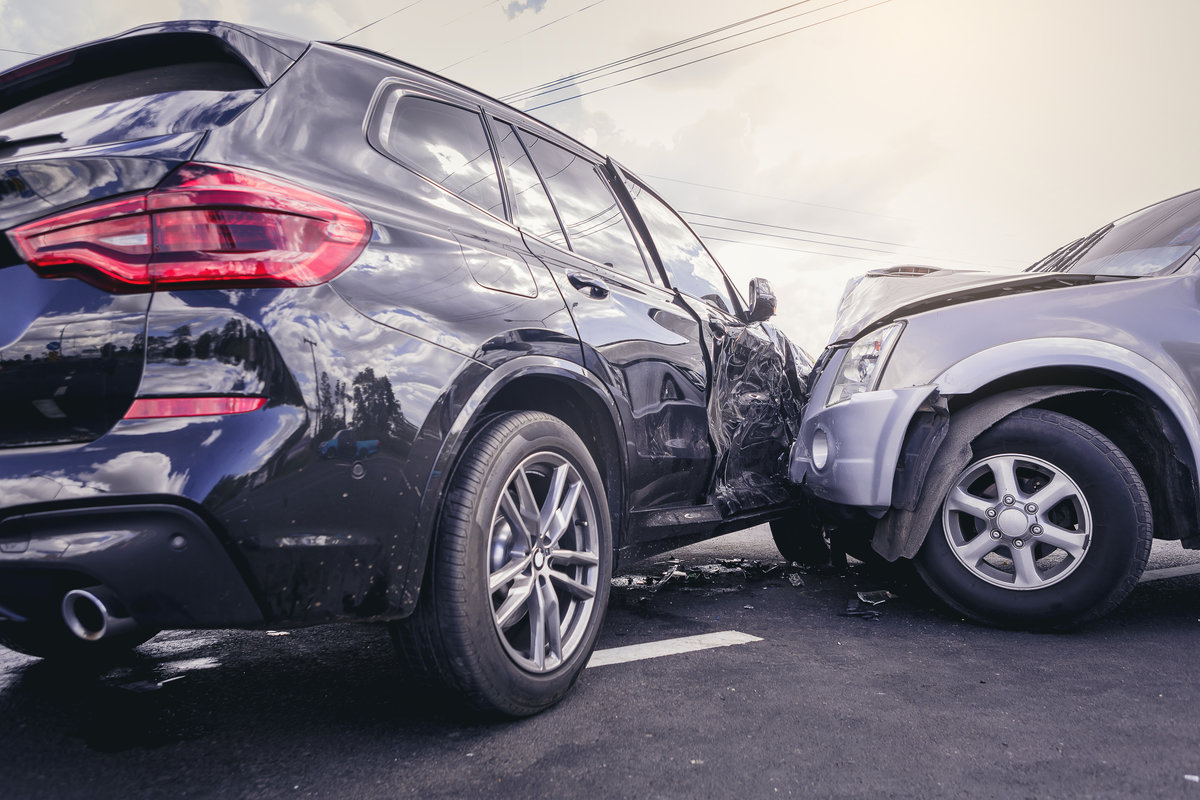
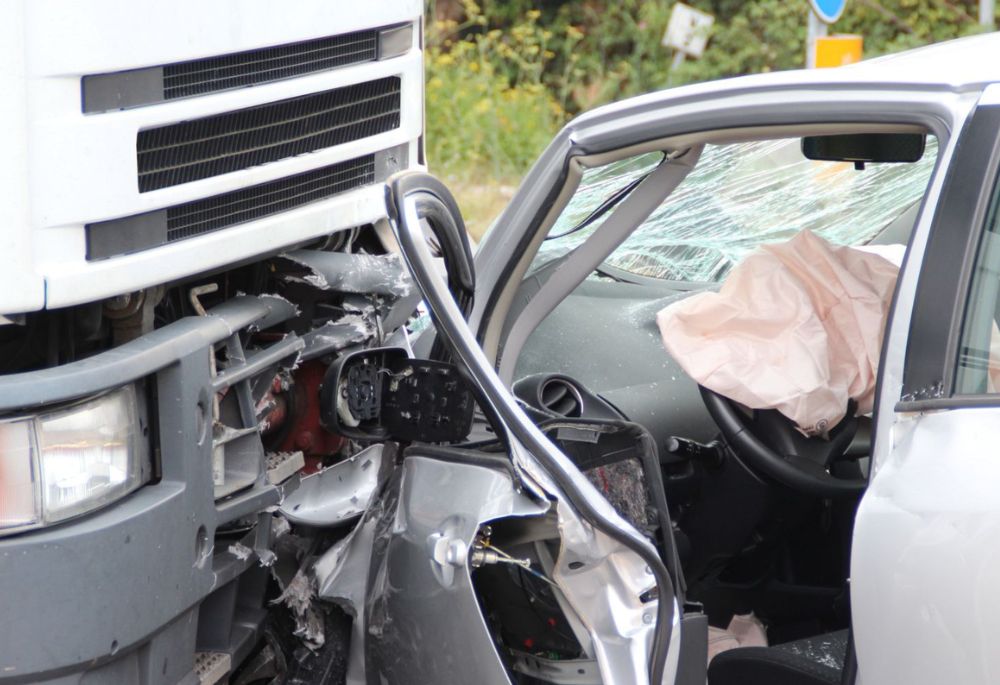
The problem is that when drivers brake check, the other driver has little to no time to react. The result is typically a rear-end collision, which can cause serious damage and even serious injuries. These brake-checking incidents put everyone on the road at risk, not just the two drivers directly involved.
Indiana Brake-Checking Legality
So, is brake checking illegal under Indiana law? While the statute does not specify brake checking, it does not have to. Indiana’s aggressive driving laws and reckless driving provisions give law enforcement and courts plenty of authority to treat brake checking as an aggressive driving offense.
Reckless Driving
Under Indiana Code § 9-21-8-52, a driver commits reckless driving when they operate a vehicle with willful disregard for the safety of others. Intentionally slamming on your brakes in traffic to intimidate someone else easily falls into this category.
Aggressive Driving
Indiana has specific statutes addressing aggressive driving. Actions like following too closely, failing to signal, and cutting off another driver are included, but courts generally treat brake checking as part of the same pattern of dangerous, retaliatory conduct.
Brake Checking Laws and Consequences
Brake checking laws in Indiana do not create a separate offense, but the consequences are very real.
- Traffic Violations – If cited, a brake-checking driver can face fines, points on their license, and potential suspension.
- Civil Liability – Victims of brake checking-related auto accidents can file a personal injury claim seeking compensation for medical bills, lost wages, property damage, and pain and suffering.
- Criminal Charges – In extreme cases involving reckless conduct, particularly if the act causes a fatality or severe injury, brake checking consequences may include criminal prosecution for reckless endangerment or vehicular assault.
How Brake Checking Causes Car Accidents
The danger of brake checking is simple: when a driver slams on their brakes without warning, the car behind has almost no time to stop. This may lead to:
- Rear End Accidents – The most common outcome, where the following car crashes into the vehicle ahead.
- Multi-Car Collisions – On busy highways, one rear end accident can trigger a chain reaction involving multiple vehicles.
- Loss of Control – Sometimes the other driver swerves to avoid the collision and ends up causing a different type of car crash.
Even though many people assume the rear driver is always at fault in a rear-end collision, that is not necessarily true if the crash was caused by a brake check.
Can You Take Legal Action for Brake Checking?
Yes, victims absolutely can pursue legal action for a brake-checking accident and injury. These cases may hinge on proving that the brake-checking driver acted intentionally or recklessly. Indiana’s comparative fault system also matters here.
The 51% Bar Rule
Indiana follows a modified comparative negligence rule. If you are found more than 50% at fault for the accident, you cannot recover compensation. But if the evidence shows that the other driver caused the crash by brake-checking, you may be able to shift liability away from yourself even in a rear-end accident.
Evidence That Can Prove Brake Checking
Since brake checking can be hard to prove without clear evidence, obtaining the right proof is critical.
- Dash Cam Footage – A dash cam can capture exactly what happened, showing whether the front driver suddenly chose to brake suddenly without reason.
- Traffic Cameras and Surveillance – Intersection cameras or nearby businesses may have footage of your defensive driving and/or the other driver’s negligence.
- Eyewitness Testimony – Other motorists or pedestrians may have seen the dangerous maneuver.
- Black Box Data – Many vehicles now have onboard systems that record speed, braking, and acceleration.
- Accident Reconstruction – Experts can show how a car crash occurred and whether brake checking was the likely cause.
Because insurance company adjusters may default to blaming the following driver, having this type of evidence is essential to challenging their assumptions.
The Role of Road Rage in Brake Checking
Most brake-checking incidents come back to one thing: road rage. An aggressive driver who feels disrespected or impatient may use brake checking as a form of retaliation. Unfortunately, this type of behavior escalates quickly and puts everyone around them in danger.
It is worth remembering that even if someone is tailgating you, brake checking is never the answer. Slowing down gradually, changing lanes, or simply letting the other car pass is safer and legal.
Who Is Liable in a Brake Checking Accident?
Liability in a brake checking case can be complicated:
- Brake-Checking Driver – Generally liable if they intentionally caused the crash.
- Other Drivers – May share some liability if they were speeding, distracted, or following too closely.
- Comparative Fault – Juries in Indiana can divide responsibility between multiple drivers, which affects the amount of compensation available.
Brake Checking Is a Dangerous Driving Behavior
Brake checking is more than just a childish way of sending a message. It is a dangerous driving behavior that Indiana law does not tolerate. It combines elements of reckless driving, road rage, and negligence into one act. And while it may seem like a split-second decision, the brake-checking consequences can last a lifetime for accident victims in Indiana.
Why You Need Our Experienced Indiana Car Accident Attorneys On Your Side
Being involved in a brake-checking accident can turn your life upside down. In an instant, you may be left with mounting medical bills, missed work, and the stress of dealing with the insurance company, all while trying to recover physically and emotionally.
What makes these cases difficult is proving that the crash was caused by a reckless driver who intentionally or negligently hit their brakes. Insurers and defendants will argue that you were following too closely, making it seem as if you were at fault. That is why having an experienced car accident attorney on your side is critical.

How Our Attorneys Will Strengthen Your Case
At Wagner Reese, our Indiana car accident lawyers understand the unique challenges that come with brake-checking incidents, and we know how to build strong claims for our clients. Our experienced legal team can:
- Investigate Thoroughly – Collect vital evidence such as dash cam footage, black box data, and witness statements.
- Use Expert Testimony – Bring in accident reconstructionists if needed to explain how and why the car accident occurred.
- Negotiate Aggressively – Stand up to insurers who may attempt to minimize or deny a fair settlement for your losses.
- Fight in Court – If necessary, take your case to trial and present a compelling argument for the full compensation you are owed.
Filing legal action for brake checking is not only about recovering damages for yourself, but also about holding reckless drivers accountable. With Wagner Reese, LLP by your side, you will have trial-tested attorneys fighting for the justice and compensation you are entitled to.
Get Strong Legal Representation from Our Indiana Car Accident Lawyers
At Wagner Reese, LLP, we know how quickly a moment of road rage can turn into a devastating car accident. Our Indiana personal injury attorneys are highly experienced litigators who are not afraid to take on powerful defendants and large insurance providers. We have a proven record of success in handling big cases and winning. Our attorneys have recovered millions on behalf of our clients.
We are compassionate, responsive, and attentive, offering personalized legal counsel throughout each stage of the process. Our motor vehicle accident attorneys have been honored by their peers, as well as prestigious legal organizations, including the Indiana Trial Lawyers Association, Super Lawyers®, the Multi-Million Dollar Advocates Forum, Best Lawyers®, and U.S. News – Best Lawyers® “Best Law Firms.”With over $350 million recovered for our clients, we have the courtroom reputation and resources needed to stand up to negligent drivers and their insurers. If you or a loved one has been injured in a brake-checking accident, reach out to us today and let us put our 150+ years of combined legal experience to work for you. To schedule your free consultation, call us at (888) 204-8440 or contact us online.