Key Takeaways
- Cold winter weather reduces tire pressure, causing underinflated tires that compromise traction and handling.
- Every 10°F drop can lower tire pressure by 1–2 PSI, increasing the risk of blowouts and uneven wear.
- Poorly inflated tires strain your vehicle, affect alignment, and reduce control on icy or snowy roads.
- Underinflated tires contribute to accidents that may result in whiplash, head injuries, broken bones, spinal trauma, internal injuries, or psychological effects like PTSD.
- Regularly checking and maintaining proper tire pressure ensures safer winter driving and reduces accident risk.
The arrival of winter calls for extra measures to ensure your car is ready for safe travel before hitting the road. This involves not only installing new wiper blades, checking the battery, and refilling fluids, but also giving special attention to tire maintenance and ensuring they are correctly inflated.
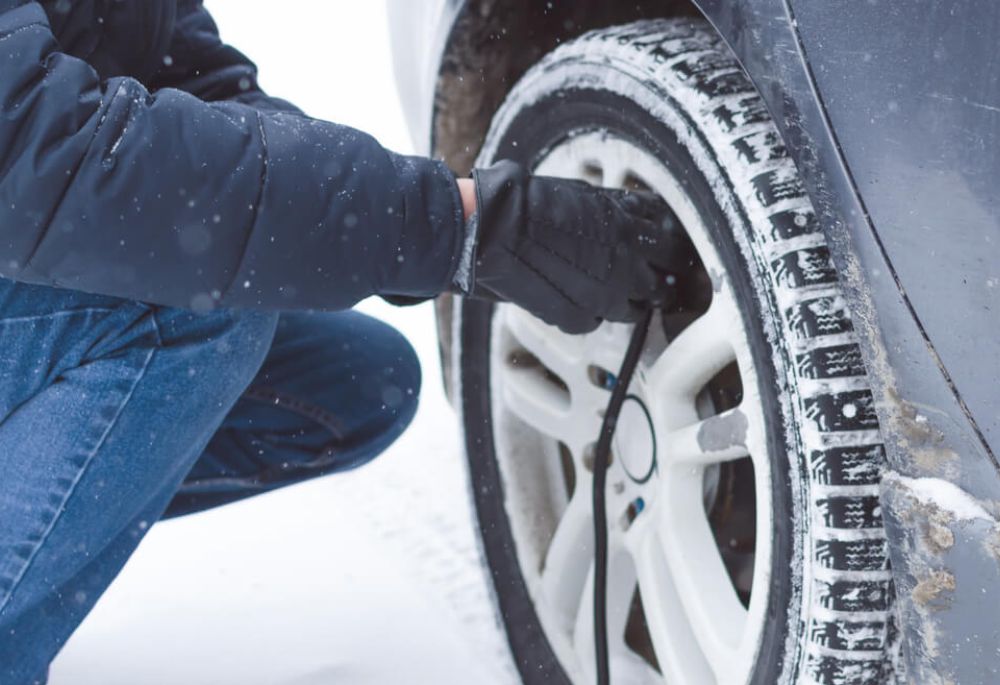
In the Indianapolis area, where winter temps often dip into the 20s, cold can reduce adequate tire pressure, making properly inflated tires unsafe to drive on. Maintaining proper tire pressure is essential to ensure safe handling and prevent accidents. Using a tire pressure gauge regularly can help you monitor your tires and adjust the air pressure as needed. Knowing the dangers of underinflated tires and ensuring they remain properly inflated tires during colder months can keep you safe on the road.
How Does Weather Affect Tire Pressure?
As air gets colder, it contracts — this means less pressure in your tires. For every 10°F drop in temperature, your tires can lose about 1-2 pounds per square inch (PSI) of air. This can make a big difference in how your tires perform.
When your tires are underinflated, they can’t grip the road as well, which is especially dangerous on icy or snowy roads. Under inflated tires also have a harder time maintaining their shape, leading to inconsistent tread wear. This can shorten the lifespan of your tires and cause alignment issues, impacting vehicle performance and increasing the risk of a blowout.
Why Are Under Inflated Tires So Dangerous in the Winter?
The risks of driving on improperly inflated tires in winter include:
- Poor traction: In winter, roads can be slippery due to ice and snow. Tires with lower pressure have poor traction. This means you have less control over your vehicle, making it harder to stop quickly or steer around obstacles.
- Increased risk of blowouts: Cold weather tends to make rubber more brittle. When this is coupled with under inflated tires, there’s an increased risk of blowouts. Experiencing a tire blowout on icy roads can have dire consequences, including loss of vehicle control and the potential for severe accidents.
- Vehicle strain: Underin flated tires increase rolling resistance, so your car must work harder to move. It also strains your engine, leading to dangerous sudden stops in cold weather.
- Uneven wear and tear: When tires aren’t properly inflated, they don’t wear evenly. This can lead to premature wear, compromising the integrity of your tires. This makes them more susceptible to damage from road debris or potholes and can affect your steering by throwing off your car’s alignment.
- Compromised handling: Tires are one of the most important factors in your car’s handling, especially during turns or when braking. When tires are underinflated, they may cause slower response times and negatively affect the handling of the vehicle, a situation that becomes even more hazardous in winter conditions.
Injuries Due to Poor Tire Pressure
Driving with poor tire pressure, especially in winter conditions, can lead to a range of injuries, some of which can be severe. In 2021, over 600 people died due to tire-related crashes in the U.S. In Indiana, there were 4,524 accidents related to vehicle issues, including tire failures.
Potential injuries include:
- Whiplash: This is a common injury in rear-end collisions, which can occur more frequently when your car has poor traction due to under inflated tires. Sudden stops or impacts can cause your head to jerk abruptly, leading to neck strain.
- Head injuries: Poor tire pressure can cause loss of vehicle control, leading to collisions that might result in head injuries, ranging from mild concussions to severe traumatic brain injuries.
- Broken bones: High-impact crashes, often resulting from tire blowouts or losing control on slippery roads, often cause fractures. The most common are broken arms, legs, ribs, and hip fractures.
- Spinal injuries: Losing control of a vehicle can result in crashes that impact the spine. These injuries can range from herniated discs to more severe spinal cord injuries, potentially leading to long-term disability.
- Internal injuries: The force of a collision, especially at higher speeds, can occur due to decreased control from under inflated tires. These can lead to internal injuries like internal bleeding or damage to organs.
- Psychological trauma: Car accidents can also lead to psychological issues like anxiety, post-traumatic stress disorder (PTSD), and depression, affecting your quality of life long after the physical injuries have healed.
Know Your Rights After a Tire-Related Crash
Although winter weather accidents are often due to factors outside driver control, that’s not always the case. Under inflated tires can significantly impact vehicle handling, making driving in icy or slippery conditions extremely dangerous. Many drivers neglect proper tire inflation, relying only on a visual check rather than following the guidelines in their owner’s manual or using a pressure gauge. In emergency situations, poorly maintained tires can lead to loss of control and collisions. If another driver fails to maintain their tires properly and it causes a crash, you can hold them liable for your injuries.
Our Indiana car accident injury lawyers at Wagner Reese can represent your interests in a tire-related car collision case. We can gather evidence to prove another driver’s negligence, like skid marks on the road or tire tread analysis, and consult with experts to connect their actions to your injuries.
With our guidance, you can seek fair compensation to help you recover. Contact us for a free, no-obligation consultation to discuss your case.