


Key Takeaways
- Assisted vaginal deliveries, including forceps and vacuum extraction, carry risks of injury to both baby and mother.
- Forceps delivery may cause facial palsy, brain damage, skull fractures, scarring, or bleeding inside the infant’s skull.
- Vacuum extraction can lead to scalp bruising, subgaleal hemorrhaging, retinal injuries, or nerve injuries such as Erb’s palsy.
- Minor injuries often heal within weeks, but severe complications can result in permanent disfigurement or long-term disability.
- Proper monitoring, accurate diagnosis, and prompt treatment are critical to reduce the risk of lasting birth injuries.
Everyone hopes for an easy childbirth, but sometimes there are complications, and assisted vaginal delivery methods such as forceps delivery or vacuum extraction delivery may need to be used.
Unfortunately, there are still risks when using an assisted delivery method during childbirth. For the first few months of life, a baby’s head is very soft as the bone plates have not yet fully fused together. During the process of moving the baby through the birth canal, forceps delivery complications or vacuum delivery complications can occur, causing potential injuries. A vacuum assisted delivery involves the use of a suction device, while forceps delivery uses metal tongs to guide the baby. Both methods, also referred to as operative vaginal delivery, are used in cases of fetal distress or when the mother is unable to push effectively.
However, these procedures can lead to forceps delivery injuries or scalp bruising from vacuum extraction. In severe cases, operative vaginal procedures may result in significant delivery complications. While these tools can be life-saving in certain scenarios, understanding the risks of forceps delivery and vacuum extraction is essential for expecting parents to be aware of the potential outcomes of an assisted vaginal delivery.
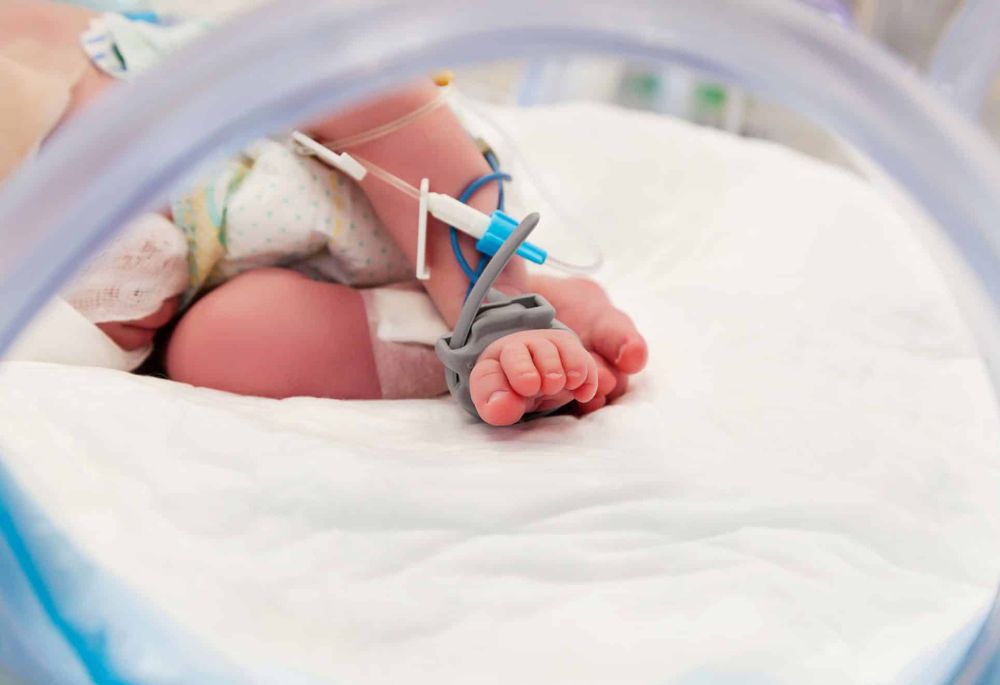
Injuries Resulting from Forceps Delivery
Forceps delivery can sometimes result in forceps delivery injuries to both the mother and the baby. For the baby, injuries such as facial palsy, brain damage, and scarring can occur. Delivery complications are not uncommon, especially during an assisted delivery when fetal distress is present. Forceps have been used to assist in vaginal birth for hundreds of years. They are a set of curved metal tongs used to grasp either side of the baby’s head so the doctor can gently pull the baby through the birth canal.
In some cases, a vacuum assisted delivery may be used instead of forceps. However, vacuum delivery complications can also arise, such as swelling or bruising on the baby’s scalp. These birth injury risks can be higher if the baby or mother has a bleeding disorder. When forceps delivery complications or improper use of delivery methods occur, it may result in long-lasting harm that lasts beyond a few weeks, potentially leading to claims of medical malpractice if negligence was involved.
Medical professionals must ensure an accurate diagnosis of any potential injuries, as prompt treatment is essential for proper healing and ensuring enough oxygen reaches the affected areas to prevent serious complications like blood circulation issues. Scarring and scar tissue formation are extremely common outcomes that need to be managed carefully.
Forceps marks from injuries can occur to the infant baby when forceps are used to assist delivery. The most common are abrasions or bruising to the scalp. If the user of the forceps applies too much pressure to the baby’s skull, there may be noticeable indentations. Normally, these injuries are only cosmetic and can clear up in days or weeks following the birth. However, in severe cases, the injuries can be disfiguring and permanent. One of the most serious types of injuries a baby can suffer due to a forceps delivery is bleeding or swelling inside the baby’s skull, which can result in brain injury to the baby. Skull fractures, damage to the baby’s facial nerves, and trauma to the baby’s face or eyes can also occur.
Injuries Resulting from Vacuum Extraction
Two types of vacuum extraction are commonly used: the metal cup and soft cup methods. While the metal cup method tends to be more reliable, it can cause more trauma to a baby’s scalp. The soft cup method is gentler but has a higher risk of detaching during vacuum extraction.
Both types of cups, along with the process of extraction itself, can carry a risk of minor injury.
- The area where the cup attaches to the baby’s scalp can result in bruising and disfigurement if the level of pressure and suction are not monitored carefully.
- The cup’s insertion can also cause an injury to the mother if the doctor is careless.
Other serious risks that can arise from vacuum extraction include:
- Higher risk of hemorrhaging of the scalp (subgaleal hemorrhaging), which can lead to seizures, anemia, shock and even death.
- Higher risk of retinal injuries due to pressure, which can cause vision problems in the infant.
- Risk of stretched nerves along the infant’s neck, which can cause permanent nerve injury, including Erb’s palsy or brachial plexus injury.
Learn More About Common Birth Injuries
If you would like to learn more about birth injuries stemming from forceps and vacuums during the delivery process, we encourage you to check out the following resources:
- Understanding Erb’s Palsy and Brachial Plexus Injuries
- The Reality of Delivery Room Errors and Shoulder Dystocia
- Seeking Compensation for a Birth Injury
- What Types of Deliveries Can Harm the Mother?
Wagner Reese Stands with Families Impacted by Birth Injury
For mothers undergoing childbirth, your doctor should always explain if forceps or vacuum extraction during delivery becomes necessary, the risks associated with each method, and the alternatives available. Clinicians should always strive to limit the risk of injury to the baby and mother.
If you are located in Indiana, recently gave birth, and your child suffered forceps or vacuum extraction injuries, call our experienced Indiana medical malpractice attorneys. A medical malpractice case can recover compensation for your baby’s medical expenses and ongoing care. Contact Wagner Reese to discuss options to protect your rights and those of your child.


