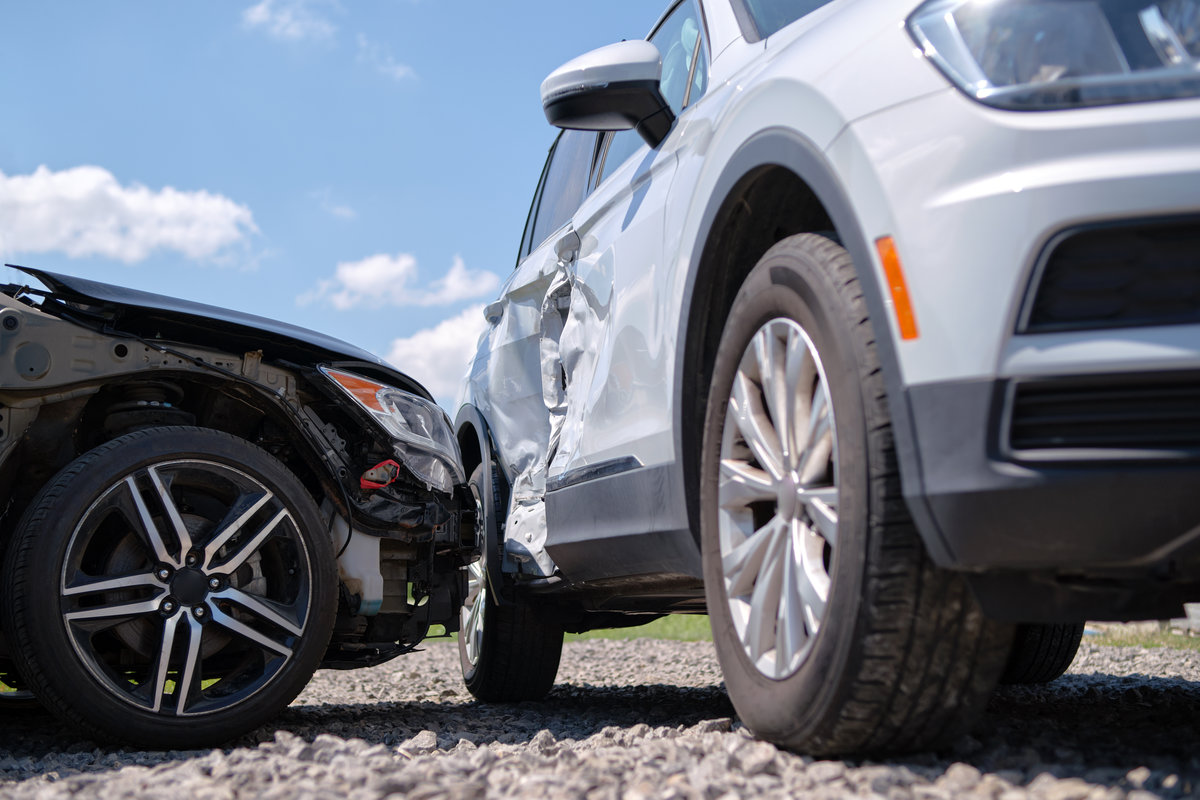
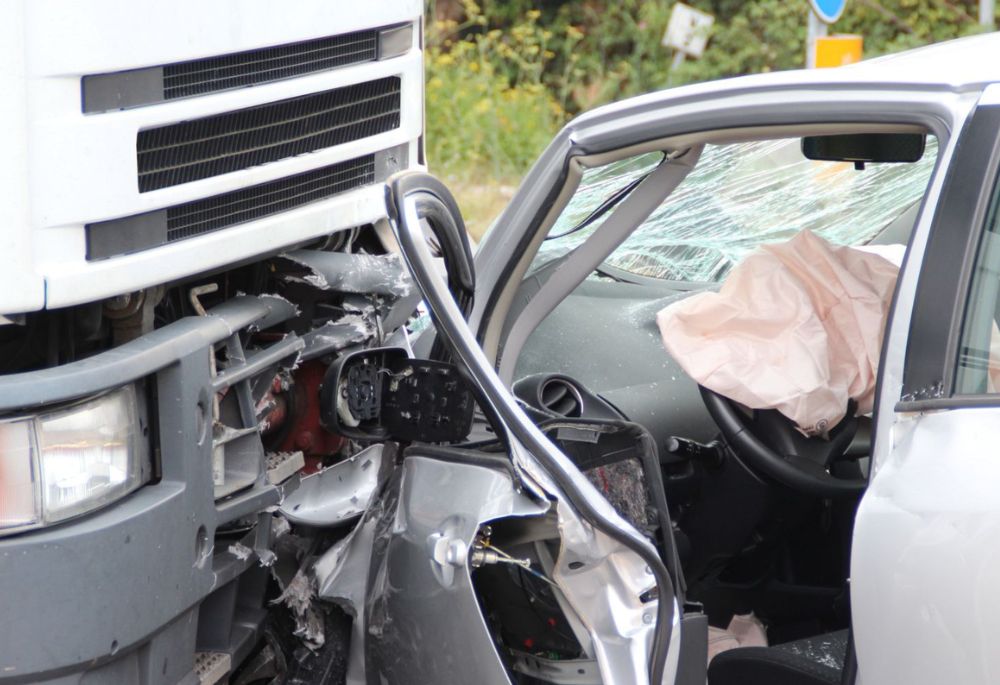
When your car gets damaged in an accident in Indiana, your first thought may be about getting your vehicle repaired and back on the road. But what many people do not realize is that even after quality repairs, the value of your car may never return to what it was before the crash. This is where a diminished value claim in Indiana comes into play.
If you have ever tried to sell or trade in a vehicle that has been in an accident, you might know how this works. The accident history shows up on a report, and the buyer or dealership offers you less money, even if the car looks fine. The law in Indiana recognizes this reality and allows car accident victims to pursue vehicle diminished value recovery under certain circumstances.

What Is a Diminished Value Claim in Indiana?
At its core, a diminished value claim is about the difference in your car’s fair market value before and after the accident.
- Before the accident: Your car had a certain resale or trade-in value based on its age, mileage, condition, and market demand.
- After the accident (even if repaired): The value drops because buyers are reluctant to pay the same amount for a vehicle with an accident history.
This difference is the “diminished value.” In Indiana, you may be entitled to recover that car accident value loss if another driver’s negligence caused the accident. For example, imagine your car was worth $80,000 before the accident. After repairs, the fair market value is now $50,000 because of the crash history. The diminished value is $30,000, and that is the amount you can potentially claim.
Types of Diminished Value
Not all diminished value claims look the same. Indiana recognizes three primary types:
Immediate Diminished Value
This is the loss in value right after the accident but before repairs are made.
Inherent Diminished Value
This is the most common type and refers to the loss in market value that remains even after proper repairs. Inherent diminished value reflects the stigma attached to a car that has been in an accident.
Repair-Related Diminished Value
Sometimes the repairs reduce the value. For example, when aftermarket parts are used instead of original manufacturer parts, or when the paint does not match perfectly.
How Indiana Law Treats Diminished Value
Indiana law allows accident victims to seek compensation for diminished value as part of their overall property damage claim. Courts in the state have recognized that simply repairing a car does not make the owner whole if the vehicle is now worth less in the open market. That said, insurers often resist paying diminished value claims. They may argue that:
- The repairs restored the car’s value.
- The loss in value is speculative.
- Your car already had high mileage or prior damage.
Because of these common pushbacks, it takes an experienced Indiana car accident attorney to properly document the diminished value and negotiate a settlement with the insurance company or, if needed, present the evidence in court.
How to Prove a Diminished Value Claim in Indiana
Diminished value is not always straightforward. You cannot simply say your car is worth less. You need evidence to prove it. Here are some ways a claim is established:
Professional Appraisals
Certified vehicle appraisers can inspect your car, analyze accident history reports, and provide an expert opinion on its market value before and after the crash.
Market Data
Sales data from comparable vehicles (both with and without accident histories) can be powerful evidence of diminished value.
Dealership Trade-In Offers
Dealers typically reduce trade-in offers once they see the accident report. Having documentation of these offers helps establish the real-world impact.
Repair Records
Evidence of the type and extent of repairs performed can highlight why the vehicle has lost value, particularly if aftermarket or non-OEM parts were used.
Insurance Company Tactics in Diminished Value Claims
Insurance companies in Indiana rarely pay diminished value claims without a fight. Here are some of the strategies they may use:
- Denying that diminished value exists: They may argue that since your car has been repaired, it is as good as new.
- Using biased appraisers: Some insurers rely on in-house or “preferred” appraisers who produce artificially low valuations.
- Delaying the claim: Insurers sometimes drag their feet, hoping you will get frustrated and give up.
- Arguing about prior condition: They may claim your car was already worth less because of age, mileage, or unrelated damage.
Having an experienced Indiana auto accident attorney to push back on these tactics can make the difference between a lowball offer and a fair settlement.

Who Can File a Diminished Value Claim in Indiana?
Not everyone is eligible for diminished value compensation. Here are the general rules:
- You must not be at fault. If you caused the accident, you typically cannot pursue diminished value against your own insurance company.
- The claim is usually against the at-fault driver’s insurance company.
- If the at-fault driver is uninsured: You may have options through your own uninsured motorist coverage, but it depends on your policy language.
Commercial vehicles, leased cars, and high-value vehicles may get larger diminished value losses, making an insurance claim especially important.
Proper Calculation of the Diminished Value Claim Matters
If the negligent driver who caused the accident is uninsured or underinsured, your insurance policy covering property damage may include provisions for uninsured motor vehicles or underinsured motor vehicles. The challenge comes in working through policy provisions approved under Indiana law and making sure your auto insurer treats your loss fairly.
Diminished value is about more than the cost of repairs. It is about how the resale value of your car drops simply because it has a damage history. That is why it is so important to properly calculate diminished value and make sure the insurer does not minimize what you are owed.
Time Limits: Statute of Limitations in Indiana
Diminished value claims in Indiana are subject to the state’s statute of limitations. Generally, you have two years from the date of the accident to file a lawsuit. Missing this deadline can bar you from recovering compensation, even if your claim is valid. Here is an auto accidents overview to help you learn more about various aspects of motor vehicle crash injury claims in Indiana.
Challenges in Indiana Diminished Value Claims
Despite the right to pursue these claims, they remain among the most contested areas of auto accident law. Some of the biggest challenges include:
- Subjective valuations: Two appraisers may give very different opinions on the same vehicle.
- Resistance from insurers: Many insurers have policies of not paying diminished value unless forced to.
- Burden of proof: The responsibility falls on you, the claimant, to provide evidence.
These hurdles are why strong legal representation makes a decisive difference.
FAQs About Diminished Value Claims in Indiana
Can I file a diminished value claim through my own insurance?
It depends on your policy. Many insurance policies exclude diminished value claims under first-party coverage. However, if the other driver was at fault, you may file against their insurer.
What if my car was leased?
Leased vehicles can still lose value, and you may be responsible for that loss when you return the vehicle. Diminished value claims can help cover that gap.
Are diminished value claims worth it for older cars?
They can be, depending on the condition and value of the car before the accident. An appraisal is often the best way to find out.
How long does a diminished value claim take?
The timeline varies. Some settle quickly with proper evidence, while others may take months or even litigation to resolve.
How Our Indiana Car Accident Lawyers Can Help
At Wagner Reese, LLP, our attorneys provide dedicated Indiana personal injury services to injured victims with an aim to recover the largest possible financial compensation for their injuries and losses. The insurance companies in Indiana will typically attempt to undervalue your claim. We understand the tactics insurers use and will build strong evidence to counter them. Our approach includes:
- Collecting all possible evidence to bolster your claim.
- Working with trusted experts and accident reconstructionists.
- Negotiating aggressively with insurance companies.
- Preparing every case as though it will go to trial, which usually leads to stronger settlement offers.
Choose the Leading Indiana Auto Accident Attorneys
At Wagner Reese, we know that every accident case is unique, and every client deserves individualized attention. Our Indiana auto accident lawyers have been fighting for victims of negligence since 1997. With nearly three decades of experience, our proven legal team has successfully recovered millions in compensation for our clients.
At Wagner Reese, our skilled and compassionate lawyers will take the time to listen to your story and adapt our legal strategy to your specific needs. Our attorneys are highly seasoned and steadfast advocates, both in settlement negotiations and in the courtroom.
If you have been injured in an accident or your vehicle has lost significant value after a crash due to another’s fault, do not leave money on the table. Reach out to Wagner Reese today and discover how we can fight for the full financial recovery you are owed.We offer evening and weekend appointments for your convenience, and we also speak Spanish to ensure accessible representation. To schedule your free consultation, call us at (888) 204-8440 or contact us online.